

An industrial instrumentation certificate prepares graduates for entry-level technician roles in areas such as installation, calibration, maintenance, and troubleshooting of process control systems, leading to job titles such as Instrumentation Technician, Instrument Fitter, and Repair Technician. Graduates work in industries like manufacturing, utilities, and petrochemicals, with opportunities to advance to lead technician, supervisor, or even assistant engineering positions with experience.
Industrial Instrumentation Certificate: Key Pathways
Earning an Industrial Instrumentation Certificate typically takes less than one year to complete.
 These paths are supported by gaining experience through entry-level and specialized roles, obtaining certifications, and further education. Many technicians start with a technical certificate or an apprenticeship, gaining experience in sectors like manufacturing, energy, or petroleum. Graduates then have key pathways for job roles in these areas:
- Entry-Level Technician: Graduates are prepared for hands-on roles that involve installing, testing, and maintaining instruments and control systems.
- Advanced Roles: With experience, technicians can move into specialized areas or advance to positions like supervisor, lead technician, automation specialist, or instrumentation designer.
- Engineering Path: Further education, such as an associate degree, can lead to career advancement into assistant engineering roles, more design work, and leadership responsibilities.
Entry-Level And Technician Roles
Many opportunities exist for instrumentation technician certificate graduates. The starting role for an instrument technician involves installing, monitoring, calibrating, repairing, and maintaining a variety of monitoring devices and manufacturing systems. Graduates can specialize in servicing industrial electrical systems and controls. You may work as an instrument fitter and focus on the physical installation and mounting of instruments.
A maintenance technician works with inspecting, troubleshooting, and repairing electrical, mechanical, and instrumentation instruments and equipment. A calibration specialist focuses on ensuring the accuracy of measurement tools and machinery. You may choose to work as a field service technician who provides on-site support for instrumentation systems, often traveling to different locations.
Another interesting role is that of an assistant instrumentation designer who supports senior designers in developing instrumentation and control systems. Graduates may choose to work as an analyzer technician who works with instruments to test and analyze process conditions. Last, instrumentation sales representative positions are available where you use technical knowledge to sell instrumentation and control equipment and systems.
|
”An industrial instrumentation certificate prepares graduates for entry-level technician roles in areas, such as installation, calibration, maintenance, and troubleshooting of process control systems.” |
Specialized, Advanced, And Emerging Roles
With experience and further training, instrumentation technicians can work in more specialized and advanced positions in industrial settings that include:
- Lead Technician or Supervisor: Hire, train, and oversee teams of technicians, manage projects, or specialize in specific equipment.
- Automation Specialist: Focuses on designing, implementing, and optimizing automation systems using PLCs and distributed control systems (DCS).
- Assistant Reliability Engineer: Uses data from instrumentation to improve equipment reliability, performance, and quality control under the supervision of an engineer.
- Assistant Instrumentation Engineer: Designs and develops instrumentation systems on engineering teams, often requiring an associate degree.
- Assistant Controls Engineer: Specializes in working with engineering teams to design and implement control systems.
Roles that are emerging in many industries include those designed to create more efficiency and productivity using advanced technology, such as:
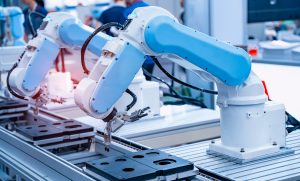
- Robotics and Automation Instrumentation Technician: Focuses on the precise instrumentation required for advanced robotics and automated manufacturing lines.
 Industrial IoT (IIoT) Instrumentation Specialist: Installs, calibrates, and maintains smart sensors and networked control systems that enable predictive maintenance and real-time data analysis.
- Renewable Energy Instrumentation Technician: Requires specialized knowledge of the instrumentation used in renewable energy sources like wind, solar, and geothermal power.
- Environmental Compliance Instrumentation Specialist: Concentrates on the monitoring and compliance of environmental regulations with specialized equipment.
- AI-Ready Instrumentation Technician: Develops expertise in the integration of artificial intelligence and machine learning with industrial control systems.
- Surgical Instrument Specialist: A highly specialized role focused on the maintenance and repair of medical and surgical instruments
How To Advance From An Industrial Instrumentation Certificate
Once you have earned an industrial instrumentation certificate and gained experience as a technician, you can advance to one or more of the positions and roles discussed thus far. The following steps can be taken to advance your career. Obtaining certifications in your industry can increase earning potential and make you more attractive to employers.
Gain hands-on experience with on-the-job training, especially with programmable logic controllers (PLCs) and other computer systems to advance. Earning an associate degree can open more doors to management positions and increased salaries. By gaining experience in a specific area, such as industrial processes or a particular type of control system, you can find advancement opportunities. Many industries need instrumentation technicians, including:
|
|
|
|
|
Let ITI Technical College be your key pathway to a career in Instrumentation and Control Systems Technology with an Industrial Instrumentation Certificate.
For more information about graduation rates, the median debt of students who completed the program, and other important information, please visit our website: https://iticollege.edu/disclosures/