


Types of plant operator jobs in 2026 include careers in power generation, chemical processing, oil refineries, water treatment, construction equipment operation, and industrial batch facilities such as concrete and bulk material plants. Contact ITI Technical College today for more information.
Key Types Of Plant Operator Jobs
Plant operators typically move into these jobs by working their way up in the company. They may start as process, automation, or control systems technicians, or assistant plant operators who prove they have the knowledge and expertise to handle the job. Key roles include:
- Power Plant Operators: Control generating equipment in various facilities (nuclear, solar, wind, coal, steam), managing output and energy flow.
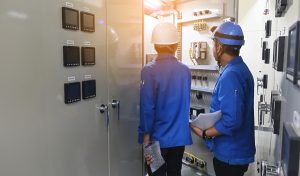 Chemical/Industrial Plant Operators: Oversee machinery producing chemicals, cosmetics, paints, and other products, ensuring quality and safety.
- Water/Wastewater Treatment Operator: Manage treatment facilities, regulating water flow, chemical dosages, and monitoring processes using automated systems like SCADA/HMI.
- Batch Plant Operators: Focus on ready-mix concrete or other material batching, ensuring quality control and efficient production.
- Construction Plant Operators: Operate heavy machinery like excavators, cranes, and bulldozers on construction sites, and mange laborers.
- Virtual/Renewable Plant Operators: Manage distributed energy resources or renewable systems (like biogas/LNG facilities) remotely or onsite, focusing on new energy technologies.
- Manufactured Housing Operators: Expensive housing, high interest rates, and shortages of skilled labor are driving many types of manufactured housing.
Common Plant Operator Job Responsibilities
Although plant operators’ jobs vary from industry to industry and within industries, they share some common responsibilities. Operators monitor control panels, gauges, switches, alarms, devices, equipment, and machinery. They start and stop pumps, engines, generators, turbines, production, and assembly lines.
Plant operators also perform quality checks, lab tests, and sample analysis as needed. They conduct routine maintenance, cleaning, and safety checks to ensure efficient operations. Operators also log operational data, respond to anomalies, and handle downtime. Their supervisory roles include interviewing job candidates, hiring, training, and various human resource activities. Operators often collaborate with plant owners both in the public and private sectors to ensure effective performance.
|
“Plant Operator roles in 2026 span diverse industries, including monitoring power generation, managing chemical/industrial processes, operating construction machinery, and overseeing batch facilities”. |
States And Cities That Need Plant Operators in 2026
While overall demand for plant operators is stable, specific states and regions show active hiring for various roles in 2026. They include Texas, Louisiana, North Dakota, Alaska, Utah, California, and even New York, with needs driven by energy, construction materials, and manufacturing. A focus on oil/gas (Permian Basin), renewable energy (Beaver, UT), and general industrial/utility sectors is present in these areas. Work opportunities exist heavily in these states:

- Texas (Permian Basin) & Louisiana: High demand for oil and gas-related roles like Wet Plant, Refinery, and Bulk Plant Operators.
- North Dakota (Williston): Also strong in oil/gas support, seeking Bulk Plant Operators.
- Alaska (Bethel): Opportunities in remote power generation.
- Utah (Beaver, SLC): Demand in renewable energy (Ormat) and general manufacturing/industrial roles.
- California (Goleta): Need for batch plant operators in construction materials.
- New York (Queens): Openings for power plant operators.
- Wisconsin & Minnesota: Manufacturing/process operators needed in smaller cities like New Richmond, WI, and Lake City, MN.
Degrees That Prepare You For Plant Operator Jobs
Types of plant operator jobs often require education in Process Technology, Industrial Maintenance, Electrical Technology, or Mechanical and Electrical Engineering. Many technical and community college programs provide hands-on training in mechanics, electricity, plant operations, and industry certifications that prepare students for these career paths.
- Process Technology: Associate degrees (AOS) or certificates focus on the science and operations of everyday products, perfect for refinery/chemical plant roles.
- Industrial Maintenance/Mechanical Technology: Programs cover crucial electrical, fluid power, and mechanical concepts, often leading to an Industrial Maintenance Technician (IMT) role.
- Electrical Technology: Teaches essential electrical principles for power generation facilities.
- Engineering: Some colleges offer two-year training programs as assistant engineers.
If working as a plant operator is your career goal without graduating from a university, consider earning an associate degree in one of the above areas. You will gain skills and knowledge in understanding electricity, mechanics, and fluid systems. Develop the ability to read blueprints, schematics, and technical manuals in your education. Gain strong math skills in algebra and trigonometry to solve problems. Learn safety protocols and operation procedures in an associate degree program.
ITI Technical College offers Associate of Occupational Studies (AOS) Degrees in Process Technology and related programs. Discover how we can help you develop your career as a plant operator.
Disclosure: For more information about graduation rates, the median debt of students who completed the program, and other important information, please visit our website: https://iticollege.edu/disclosures/