
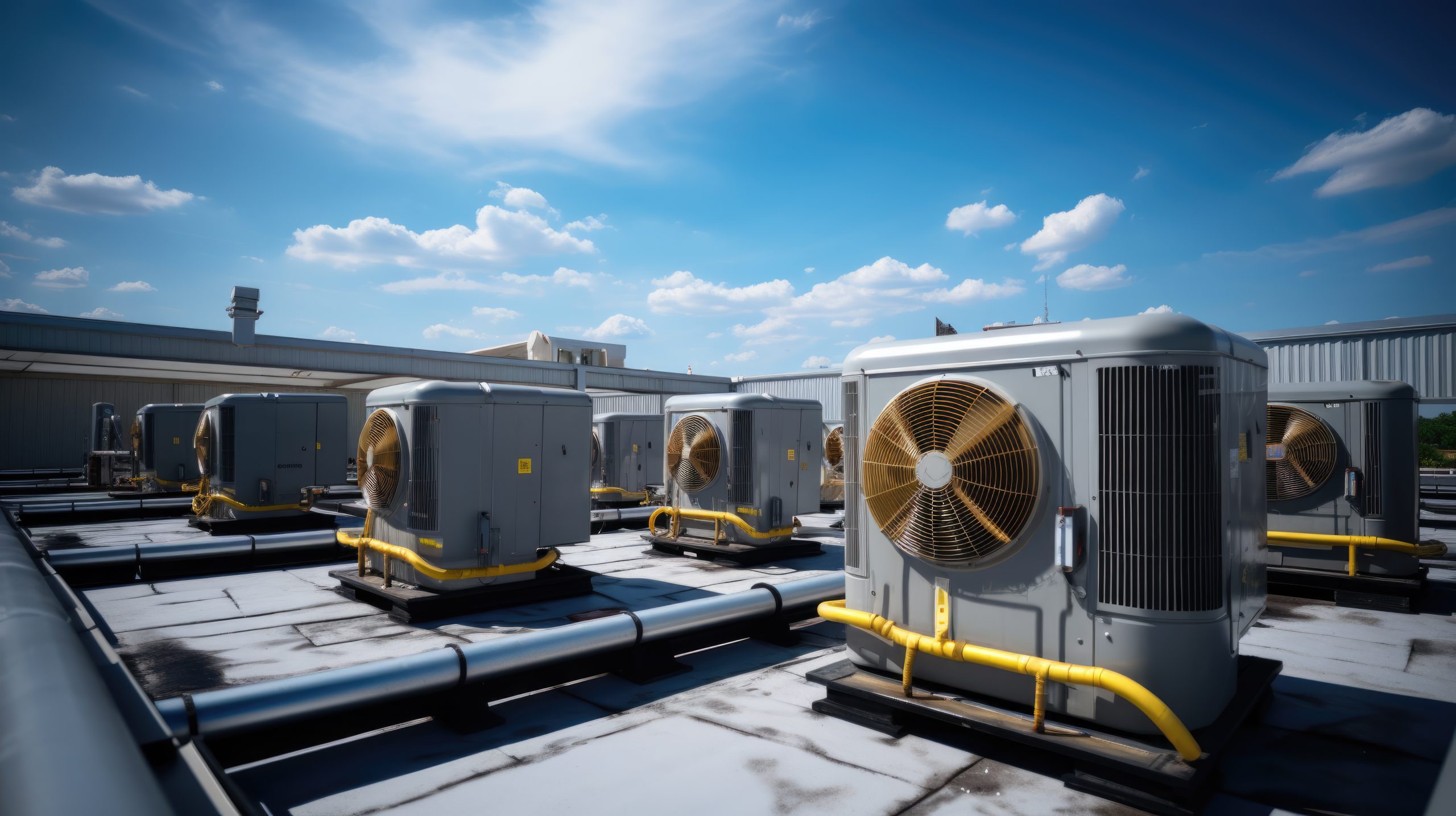
An Air-Conditioning, Refrigeration, and Electrical Technology program equips students with the practical expertise needed for entry-level technician roles, with a strong focus on HVAC and electrical skills. Training covers diagnosing and troubleshooting HVACR systems, handling electrical wiring and motor controls, interpreting blueprints, and applying key principles of thermodynamics. Students also develop hands-on abilities such as load calculations, ductwork design, and preparation for EPA refrigerant certification, while building essential soft skills like customer service and effective problem-solving. Contact ITI Technical College today for more information.
Technical And Practical HVAC And Electrical Skills
Graduates learn technical, practical, and soft skills in an air conditioning, refrigeration, and electrical technology program. First, we will explore the technical and practical skills.
- Electrical Systems: Students learn to understand technical drawings, blueprints, and building specifications to know where to install systems and ductwork. They gain skills to install, maintain, and repair electrical components, circuits, motor controls, and programmable logic controllers (PLCs).
Students develop skills to troubleshoot, diagnose, and repair issues in heating, air conditioning, refrigeration, and electrical systems. They also learn to assess homes and buildings to accurately determine the correct load size for AC and heating units.
 Ductwork and Airflow: Students gain skills to design and install duct systems for efficient airflow in residential, commercial, and industrial settings. They know how to determine the size, type, and placement of efficient ductwork.
- Safety and Codes: Graduates know how to follow safety protocols and adhere to the National Electric Code (NEC) and other regulations. They learn how to work safely in potentially dangerous situations, teach others safety rules, and how to handle electrical injuries.
- Refrigeration: Students learn how to apply principles of thermodynamics and understand how refrigeration systems work. They can install, maintain, and repair commercial and industrial refrigeration systems in many industries.
Developing these skills help students prepare for passing industry exams and industry-recognized certifications, such as the EPA 608 refrigerant certification.
Soft HVAC And Electrical Skills
There is another set of skills HVAC technicians develop that is essential to their success. They are called soft skills rather than technical skills and include:
- Teamwork and Problem-Solving: Students can collaborate with team members to complete projects on time and within budget. They develop critical thinking skills to identify and solve problems efficiently.
- Communication: Participants in this training program learn to communicate effectively with customers, supervisors, and other technicians. They communicate with mobile phones, computers, in writing, and orally to work effectively.
- Customer service: Graduates know how to provide professional, friendly, and timely service to ensure customer satisfaction. They provide written reports of their work successes and challenging issues to their supervisors.
|
“An Air-Conditioning, Refrigeration, and Electrical Technology program provides in-demand skills for an entry-level technician position.” |
Jobs Where You Can Apply Your Skills
 Many different jobs await graduates of air conditioning, refrigeration, and electrical technology training programs. Hands-on technician roles include the following typical positions. HVAC Technician: Installs, maintains, and repairs residential and commercial heating, ventilation, and air conditioning systems. Installation Technician: Focuses specifically on installing new systems, often on new construction sites or during major system replacements.
Refrigeration Technician: Specializes in installing, maintaining, and repairing refrigeration systems, such as those in grocery stores, walk-in freezers, florists, and ice machines. Solar Technician: Assembles, installs, and maintains solar panel systems for residential and commercial use.
Specialized and management roles are available for those who have developed advanced skills through specialized training and experience. Service Manager: Supervises a team of technicians, manages schedules, and oversees client relationships after gaining field experience. Estimator or Project Manager: Works in an office to estimate project costs or manage large-scale installations from start to finish. Energy Auditor: Focuses on optimizing the energy efficiency of HVAC systems to reduce waste and costs. HVAC Sales Representative: Combines technical knowledge with sales skills to sell complex HVAC systems to commercial clients. HVAC Instructor: Educates and trains the next generation of HVAC technicians.
Why You Should Work In An HVACR Career
A career in HVACR is a good choice due to strong job security, excellent earning potential, and daily variety. It offers flexibility in work settings, the opportunity to solve problems and help people, and a chance to specialize in various areas, such as refrigeration or green building. The field is in high demand across many industries, ensuring long-term stability. Enjoy these benefits:
- High demand and security: HVACR technicians are consistently in demand for residential, commercial, and industrial buildings, ensuring long-term job prospects.
- Essential work: The services provided by HVACR technicians are essential in all economic climates, providing stability even during downturns.
- Good earning potential: The field offers competitive wages, even at entry-level, with significant opportunities for increased earnings as your career progresses.
- Diverse work environments: You can work in a variety of settings, including homes, offices, hospitals, retail stores, government agencies, and industrial facilities.
- Daily variety: Each day presents new challenges and projects, preventing monotony.
- Problem-solving: The work is intellectually stimulating and offers the satisfaction of diagnosing and solving complex problems.
- Helping people: You get to provide comfort and safety for others by ensuring their heating, cooling, and refrigeration systems are working properly.
Let ITI Technical College prepare you for a rewarding and challenging career in our Air Conditioning, Refrigeration, & Electrical Technology (AOS) Associate in Occupational Studies Degree. Contact us today.
For more information about graduation rates, the median debt of students who completed the program, and other important information, please visit our website: https://iticollege.edu/disclosures/