
Participating in an HVAC apprenticeship program is a traditional way to prepare for a career in the industry, but it may not be the right fit for everyone. Earn your HVAC certification through an Air Conditioning, Refrigeration, and Electrical Technology (AOS) Associate in Occupational Studies Degree to gain hands-on training, technical knowledge, and preparation for entry-level HVAC careers. Contact ITI Technical College today for more information.
Current State Of The HVAC Industry
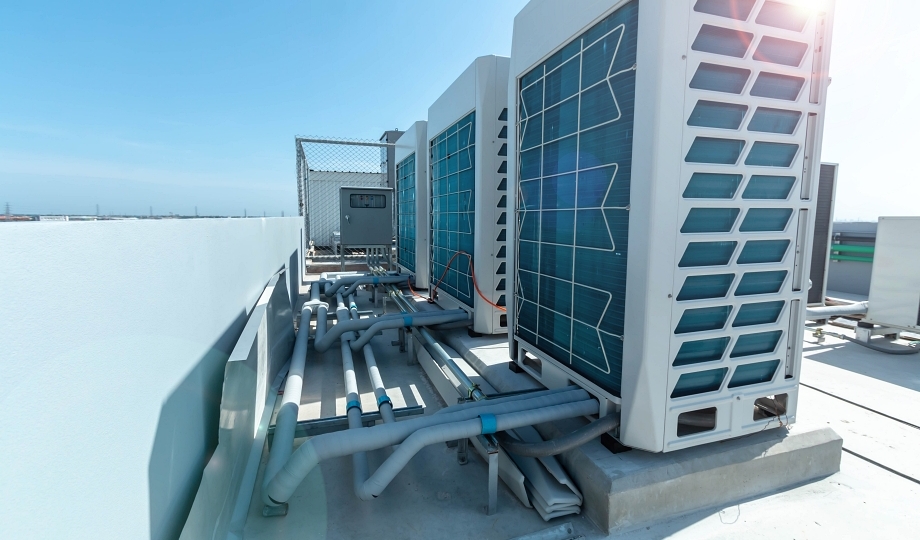
The 2026 U.S. HVAC industry is experiencing strong growth, projected to reach over $159 billion in revenue, driven by a surge in system replacements, high energy-efficiency demands (17 SEER2), and smart technology adoption. Key trends include a shift toward heat pumps, adoption of A2L refrigerants, and a significant skilled labor shortage.
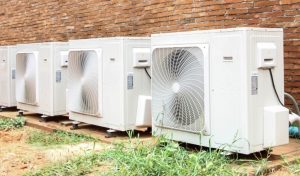 The market is booming, with 2026 seeing a peak in replacement demand for systems installed in the mid-2000s, with 3.5 million units projected to be replaced. Demand is shifting toward 17 SEER2 systems and heat pumps, accelerated by federal incentives and stricter efficiency standards. The “smart home” market continues to grow, with significant investment in smart thermostats and indoor air quality (IAQ) sensors.
A major challenge is the lack of skilled technicians, with a predicted shortage of 80,000 workers by 2030, exacerbated by an aging workforce. The industry is moving away from R-410A to new A2L refrigerants (such as R-32 and R-454B). Mergers and acquisitions (M&A) are frequent, with a focus on “buy-and-build” strategies by larger firms. Currently, the residential market represents 70% of industry sales, while the commercial market accounts for 30%.
Breaking Out Of An HVAC Apprenticeship: On To HVAC Certification
Breaking out of an HVAC apprenticeship to become a certified technician involves accelerating skills through accredited training, passing the mandatory EPA 608 certification exam, and gaining 2-4 years of experience to qualify for state licensing. Key certifications, such as NATE or HVAC Excellence, combined with hands-on technical knowledge in electrical and refrigeration systems, allow for higher pay and career advancement. Follow these steps to break out:
- Accelerate Learning: Move beyond basic tasks by enrolling in formal training, such as an associate degree, before getting a job to complement on-the-job training.
- Earn EPA 608 Certification: Required by federal law to handle refrigerants, this is the most critical first step.
- Acquire Specialized Certifications: Pursue HVAC Excellence or NATE certifications to prove expertise.
- Document Experience: Keep precise records of work hours, as many states (e.g., Utah) require 4 years of verified experience for licensure.
- Pass Licensing Exams: Prepare for state-specific technical and business/law exams to become a licensed journeyman.
|
“You should consider earning an Air Conditioning, Refrigeration, and Electrical Technology (AOS) Associate in Occupational Studies Degree.” |
Key HVAC Certification Types
Your HVAC career plans should include a basic understanding of the key HVAC certifications.
EPA Section 608 is mandatory for refrigerant handling. NATE (North American Technician Excellence) is a highly regarded industry certification. HVAC Excellence validates foundational and professional skills. By obtaining these credentials, training program graduates can transition into higher-paying, independent, or specialized commercial roles.
How To Earn An HVAC License
Earning an HVAC license generally requires a high school diploma/GED, 1,000–6,000 hours of documented field experience or a technical program associate degree, and passing state-specific trade/business exams. Essential steps include obtaining an EPA Section  608 Certification to handle refrigerants, formal education, registering with state boards, and passing exams covering safety, code, and systems. Earn your HVAC certification by following the important steps required to obtain your HVAC license:
608 Certification to handle refrigerants, formal education, registering with state boards, and passing exams covering safety, code, and systems. Earn your HVAC certification by following the important steps required to obtain your HVAC license:- Education and Training: Complete an accredited HVAC technical college or vocational school program to gain foundational knowledge.
- Gain Work Experience: Accumulate the required on-the-job training, often 2–4 years under a licensed contractor.
- Pass Licensing Exams: Complete state-specific exams, which often include a trade exam and a business/law exam.
- Apply for the License: Submit applications, fees, proof of experience, and insurance to the state licensing board.
Specific Requirements and Considerations
- Age and Education: Minimum age is typically 18 with a high school diploma or GED.
- State Variability: Requirements vary significantly by state and local jurisdiction. Some, like California, require 4 years of experience, while others may differ.
- Specialty vs. Contractor License: Licenses may differ for entry-level technicians versus contractors who own businesses.
- Renewal: Licenses must be renewed, often requiring continued education credits (e.g., 6 hours in Utah).
Requirements for licenses are subject to change and vary by location. Always check with your local state board for the most up-to-date information.
A Great Place To Start
Earn your HVAC certification at ITI Technical College through hands-on technical training and an associate degree program designed to prepare students for HVAC careers. Since 1973, thousands of graduates have completed ITI programs and moved into successful technical employment opportunities.
For more information about graduation rates, the median debt of students who completed the program, and other important information, please visit our website: https://iticollege.edu/disclosures/