

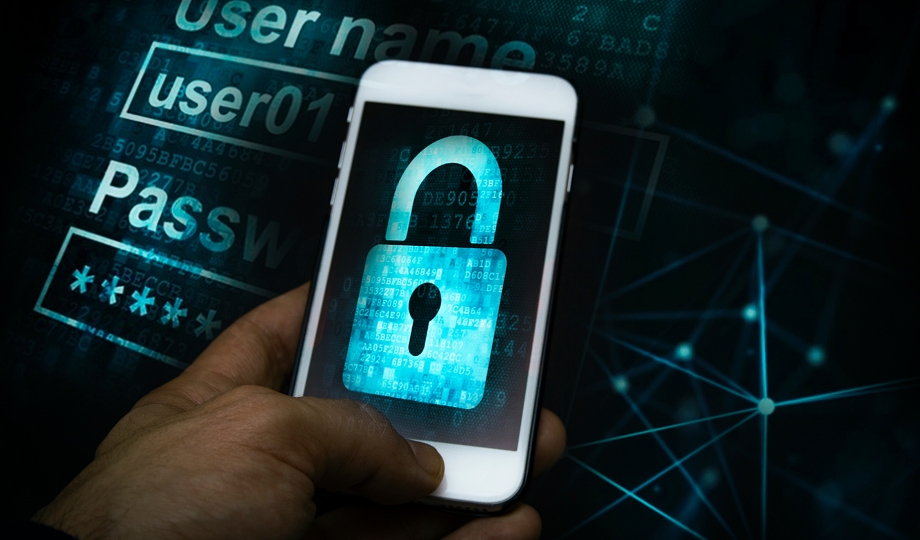
Mobile security threats are serious issues today and include malware, phishing, unsecured networks, weak authentication, outdated software, data leakage, and physical loss. All are designed to steal data, compromise privacy, or disrupt device functionality by exploiting vulnerabilities in apps, networks, and user behavior. Protecting devices involves strong passwords, regular updates, cautious app downloads, secure Wi-Fi use, installing security software, and Information Technology training. Contact ITI Technical College today for more information.
What Is Mobile Security?
Mobile security is cybersecurity for all mobile devices, such as tablets, smartphones, and laptops. Its purpose is to protect them and their contents from all types of cyber threats.
We use these devices on the go for texting, social networking, entertainment, business, professional applications, and collaboration.
Mobile devices need protection because they are in widespread global use. More than 5 billion people use them, and an estimated 200 million applications have been downloaded to smartphones and tablets. Their extensive use gives rise to an increasing number of threats.
 Most organizations take a layered and best practices approach to safeguard their devices and networks. Individuals should do the same for their personal device use. Common Mobile Security Threats
Mobile security threats take many forms that range from malware to lost or stolen devices. The more we are aware of the following, the more we can prepare for them:
- Malware & Spyware: Malicious apps that steal data, monitor activity (like keystrokes), or provide remote access.
- Phishing & Social Engineering: Deceptive messages (email, SMS, voice) tricking users into revealing sensitive info or clicking malicious links.
- Unsecured Networks: Public Wi-Fi and Bluetooth can be exploited by hackers to intercept data (Man-in-the-Middle attacks).
- Ransomware: Encrypts device data, demanding payment for its release.
- Data Leakage: Sensitive information exposed due to insecure app design or storage.
- Outdated Software: Failure to install OS and app updates leaves devices vulnerable to known exploits.
- Weak Authentication: Simple passwords or lack of multi-factor authentication make devices easy to breach.
- Lost or Stolen Devices: Unprotected devices with no remote wipe/lock features risk significant data loss
|
“Mobile security threats are serious issues today and include malware, phishing, unsecured networks, weak authentication, outdated software, data leakage, and physical loss.” |
Sources Of Threats And Core Security Objectives
Public awareness of cyber threats is essential for protecting personal and business information, IT devices, and networks. External threats include hackers, cybercriminals, nation-states, and terrorists. Internal threats include disgruntled employees and unintentional errors. Systemic threats are typically software flaws, hardware failures, and natural disasters.
Key Mobile Security Threats For 2026
 During 2026, mobile security threats will intensify, driven by AI-powered social engineering, deepfakes, cookie theft, supply chain attacks, and exploitation of cloud-native mobile apps. Security will require stronger authentication (beyond SMS), zero-trust, AI-driven defense, and quantum-resistant planning to combat hyper-personalized, automated attacks targeting user data and infrastructure. Details of these key looming threats include:
- AI-Enhanced Social Engineering & Deepfakes: Expect highly convincing, personalized phishing and scams using AI to mimic trusted voices and faces, creating deepfake video/audio for identity theft and manipulation.
- Automated Reconnaissance: Attackers will use AI agents to rapidly find vulnerabilities in mobile apps and IoT devices at scale, seeking data and access.
- Mobile Supply Chain & Cloud-Native Risks: Vulnerabilities in smaller, independently updated components of cloud-native apps will be exploited, making app security critical.
- Identity & Cookie Theft: The focus will shift to stealing session cookies and authenticating via device/network data, bypassing traditional passwords.
- Ransomware & Data Extortion: Increased attacks leveraging AI, targeting data on devices and in cloud backups, with potential for direct contact bypassing typical alerts.
Key Protection Strategies
We can prepare key protection strategies starting with updating our software by installing OS and app updates to patch vulnerabilities. Protect access with unique, complex, strong passwords, biometrics, and multi-factor authentication. Be Cautious with apps by downloading only from official stores and websites, and review requested permissions.
Avoid public Wi-Fi issues by using a VPN or cellular data for sensitive tasks on public networks. Enable Security Features by turning on remote wipe, Find My Device, and data encryption. Install software, such as mobile security apps, to detect threats. Be wary of links by refraining from clicking on suspicious links in emails or texts.
If cybersecurity is your career goal, develop the knowledge and skills needed for this industry at ITI Technical College. Begin by requesting more information about our programs and the college.
Disclosure:
For more information about graduation rates, the median debt of students who completed the program, and other important information, please visit our website: https://iticollege.edu/disclosures/