

What Is Process Technology In Manufacturing Industries?
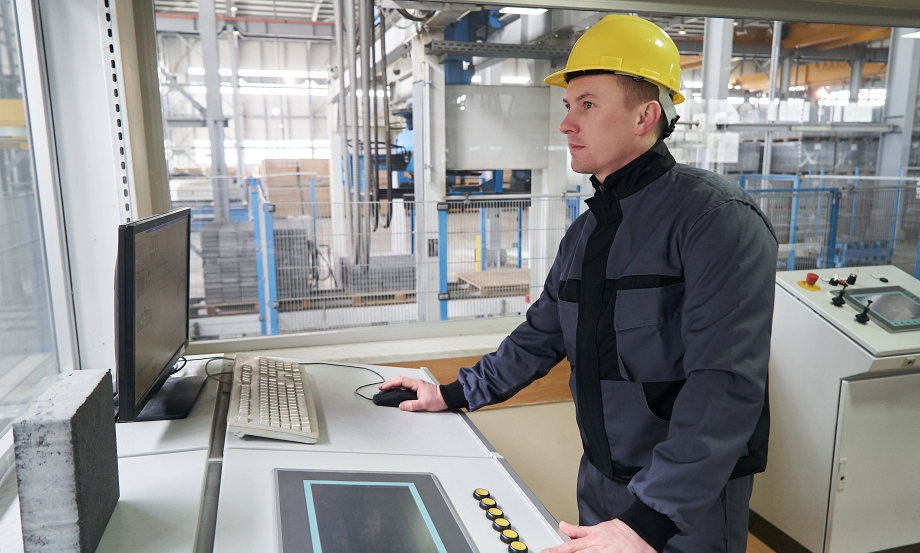
 Process technology (PT) in manufacturing refers to the systems and methods used to create goods by monitoring, controlling, and maintaining production processes from start to finish. It involves the use of machinery, automation, and software to ensure efficient, safe, and high-quality production across a wide range of manufacturing industries, including wood, plastic, metal, electronic, automotive, and pharmaceutical products. Core functions of PT include:
- Monitoring and Control: Technicians monitor and control equipment, safety systems, and process variables to ensure operations run smoothly.
- Equipment Maintenance: Process technology includes the installation, repair, and maintenance of equipment such as pumps, compressors, and motors.
- Process Improvement: It involves using automation, data tracking, and other tools to reduce inefficiencies and speed up production.
- Quality and Standards: It is essential for achieving company quality standards, minimizing downtime, and meeting production targets.
- Troubleshooting: Process technicians identify and fix problems with equipment and processes to prevent disruptions.
Examples Across Different Manufacturing Types
Many types of manufacturing processes exist in today’s U.S. industries. A job shop involves making customized small batches of products where the process must be flexible to accommodate unique specifications. Batch manufacturing creates specific groups or batches of items. Mass production (Continuous Flow) is used for highly standardized and high-volume products like biscuits, soap, or nails, relying on standardized materials, machines, and procedures.
Continuous processing deals with an uninterrupted flow of materials, such as chemicals and liquids. Discreet manufacturing assembles individual parts with the potential for changeover. Additive manufacturing, also called 3D printing, creates products with layer-by-layer fabrication. Another important concept includes lean manufacturing, a philosophy to reduce waste and improve efficiency, which can be applied to any of these methods.
Why Process Technology Matters For Manufacturing Careers
Process technology training and education lay the foundation for successful technicians. Here are significant reasons why PT matters for manufacturing careers:
- Career opportunities: Process technology creates a wide range of high-skill, high-wage jobs, such as process technicians, who are in high demand across many industries.
- Job responsibilities: Process technicians monitor and control complex systems, test products, and troubleshoot equipment to ensure smooth operations.
- Demand: There is an ongoing shortage of qualified workers in this field, creating abundant job opportunities.
- Skills: The field requires a combination of technical skills, such as understanding instrumentation and equipment, and soft skills like analytical thinking, attention to detail, and good communication.
- Career advancement: The career path offers opportunities for growth into senior-level positions, such as Production Supervisor, Assistant Process Engineer, and Process Engineer.
- Industry evolution: The field is rapidly evolving with new technologies like IoT, AI, and blockchain, which are making factories smarter and more efficient and creating new areas of expertise.
|
“Process technology involves the systems and techniques used to transform raw materials into finished products in industrial settings like manufacturing, chemical plants, and refineries.” |
Jobs And Careers For Manufacturing Process Technicians
 Manufacturing process technicians have diverse career options, including roles in production, quality control, and maintenance. Entry-level positions often lead to advancement into more senior roles, such as assistant process engineer or supervisor. They require skills in monitoring, troubleshooting, and quality assurance in a variety of manufacturing industries.
Production Worker/Operators are involved in the day-to-day manufacturing process. Quality Control Technicians focus on inspecting products and processes to ensure they meet quality standards. Maintenance Technicians specialize in repairing and maintaining manufacturing equipment. Assembly Technicians build products by assembling components.
Advanced and specialized roles are in demand in many manufacturing operations. Assistant Process Engineers design, develop, and improve manufacturing processes. Manufacturing Supervisors oversee a team of technicians and workers. Calibration Specialists ensure equipment and machinery are calibrated and accurate. Research and Development (R&D) Technicians work on developing new products and processes. Chemical Technicians conduct tests on chemical products and assist with research in chemical plants.
Industries For Manufacturing Process Technicians
Process technicians work in a wide range of manufacturing industries. The variety of products they work with is almost endless, and here are some common examples:
- Aerospace: Assembling and maintaining aerospace components.
- Automotive: Designing and manufacturing cars, trucks, and vans.
- Chemical plants: Testing and producing chemical products.
- Electronics: Working with electronic components and manufacturing processes.
- Food and beverage: Managing processes and ensuring quality in food production.
- Plastics: Operating and troubleshooting plastic injection molding machines.
- Power generation: Monitoring and troubleshooting instrumentation in power plants, including nuclear facilities.
- Wood Products: Creating furniture, cabinets, and construction lumber from softwoods and hardwoods.
For more, read how process technicians support the pharmaceutical manufacturing industry. You can also learn more about this topic in lean manufacturing and process technology.
An associate’s degree in process technology is a good starting point for this career. ITI Technical College has an Associate in Occupational Studies (AOS) Degree in our Process Technology Program. Our school is an endorsed member of the highly prized North American Process Technology Alliance (NAPTA). Plan your career with our award-winning technical college.
For more information about graduation rates, the median debt of students who completed the program, and other important information, please visit our website: https://iticollege.edu/disclosures/