

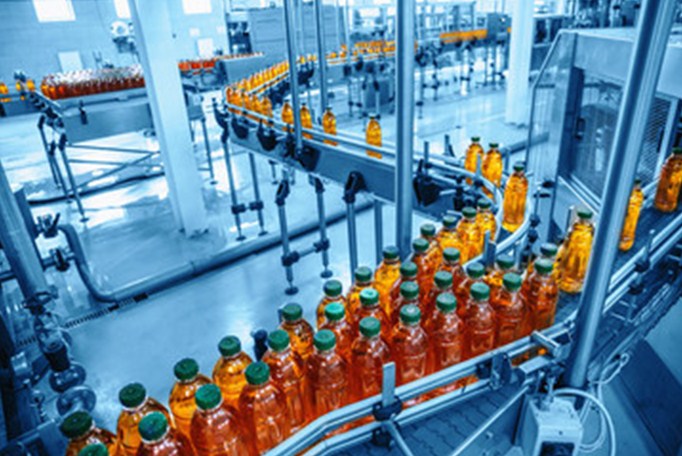
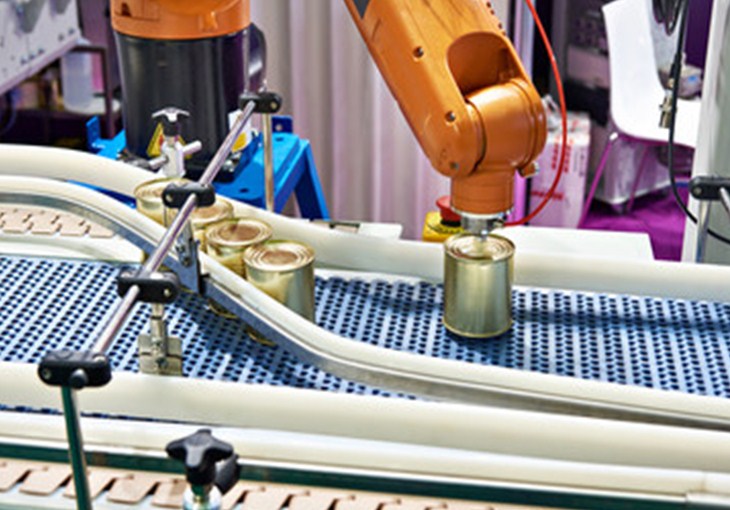
Just as smaller farms are disappearing and mega-farms are taking over growing food in the U.S., food processing plants are becoming huge corporate automated plants. They are powered by electronic systems technology from receiving raw food products to their finished condition. Our population demands cheaper food and producers demand lower production costs and automation is the key.
The way to keep production, wholesale, and retail prices at bay is with automation systems for meat, vegetable, fruit, bread, and other food production. Today’s inflation makes the situation even more serious, and consumers are stretching their budgets beyond the breaking point. Food producers are looking for more advanced ways to control costs so you and I can continue to enjoy our favorite food products.
What is Food Automation Processing?
Automated food processing is primarily concerned with raw materials, preparation, and packaging of food products. All these steps go through production lines in a similar way to other products that are made in factories.
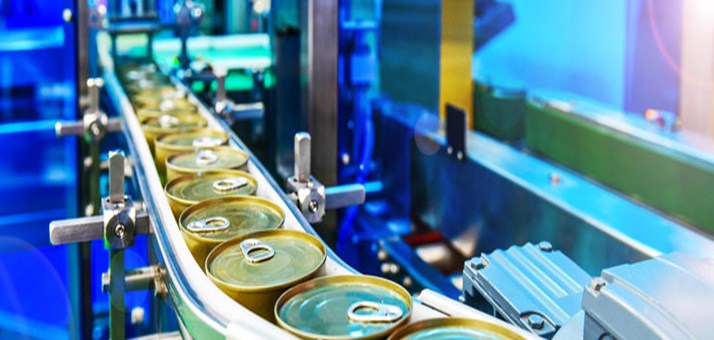 Food producers face challenges that other industries like farm machinery factories don’t face. For example, fruits and vegetables don’t come in exactly the same size, shape, weight, texture, or water content. It can be difficult for robotic equipment to handle and manipulate these natural products without damage.
Raw food automation entails keeping the machinery highly clean and sanitized. This takes additional time, especially when changing from one product to another in the middle of a work shift. Once foods are completed they must be packaged in glass, plastic, cardboard, or some other material. Automated packaging robots must manipulate the products at the line efficiency standards and still maintain the quality and integrity of products.
Benefits of Automated Food Processing
The benefits of automated food processing are amazing for both producers and consumers:
- Replicates the appearance and quality of products with minimum ingredients
- Improves the quality and safety of a broad range of foods
- Leads to keeping prices at acceptable levels for consumers
- Improves production efficiencies that create higher corporate profits
- Raw material savings can be enormous spread over one year
Producers also maintain better brand protection, loading and unloading food on pallets, repacking, grading, sorting, and logistics. They use different machinery to accomplish these goals, including:
- Automated ovens
- Cutting equipment
- Forming machines
- Mixers
- Blenders
- Filling equipment
- Wrapping devices
Food processors welcome the benefits of higher quality control, faster production speed, overcoming labor shortages, and overall profitability from automation.
| “Food processing plants are becoming huge corporate automated plants. Producers are looking for more advanced ways to control costs so you and I can continue to enjoy our favorite food products.” |
Most Common Types of Foods That Go Through Automated Lines
Many food products go through some type of production line without any significant changes such as fresh bananas or peppers. Others experience changes when being processed, such as:
- Breakfast cereals, bread, and biscuits
- Cheese, milk, yogurt, and cottage cheese
- Canned fruits and vegetables
- Bacon, sausage, ham, salami, and other sandwich meats
- Snack foods like chips, pies, and pastries
- Microwave or frozen meals
- Juices, sodas, and alcoholic drinks
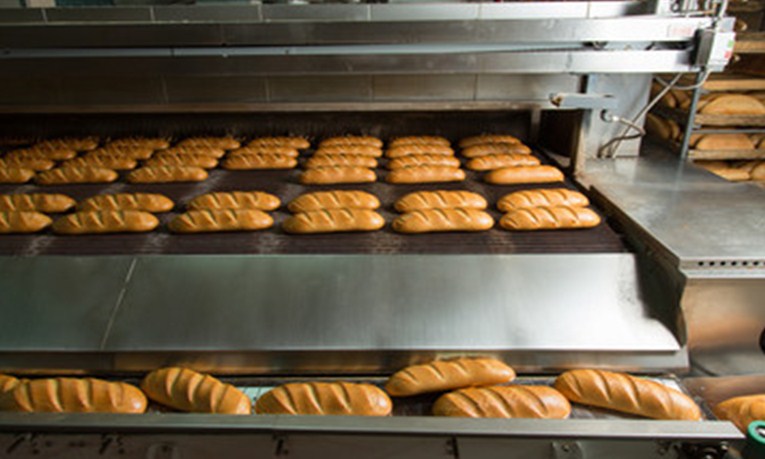
Some of the processing steps are still conducted by human hands although more automated steps are taken in today’s plants to get these food products on the grocery shelves.
Where Most of the Food Processing Occurs
 Food and beverage processing plants are located throughout the U.S. Three states dominate this industry that accounted for 32% of the processing plants in 2019, including:
- California – 6,041 plants known for processing fruits, vegetables, wine, and dairy
- New York – 2,611 plants that process meat, wines, and dairy products
- Texas – 2,485 plants known for bakery, meat, and dairy products
It’s interesting to note these states hire the most food processing technicians to maintain, troubleshoot, repair, and calibrate the automated and electronic processing equipment.
An Associate Degree in Automation and Electronic Systems Technology
Study how Automation and Electronic Systems Technology function in today’s manufacturing and processing plants at ITI Technical College. Our Associate of Occupations Studies (AOS) Degree will help you obtain an entry-level job. Learn more about all our programs and a career in this industry.
For more information about graduation rates, the median debt of students who completed the program, and other important information, please visit our website at: https://www.iticollege.edu/disclosures