

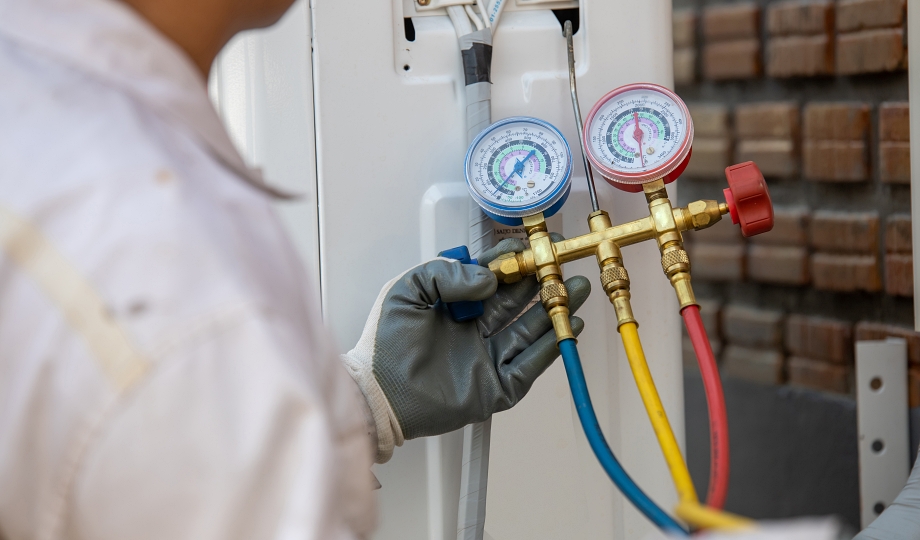
Requesting a raise can feel intimidating, especially for technicians early in their careers. When pursuing HVAC technician pay raises, preparation and timing can significantly improve your chances of success. Take time to research how other professionals have successfully negotiated higher compensation, develop a clear plan, and practice your approach beforehand. Seeking feedback from trusted colleagues, mentors, or family members can help you refine your presentation and make adjustments that strengthen your case.
As a new HVAC technician, the best time to ask for a raise is after 6–12 months on the job, ideally following a positive performance review, earning a new certification (such as NATE or EPA), or upon taking on more responsibilities. Focus on demonstrating added value, such as improving customer reviews, boosting efficiency, or bringing in more revenue. Contact ITI Technical College for more information.
Best Time To Ask For A Raise
In addition to deciding how much to ask for and whom to ask, you should decide the best time to ask. Here are some basic and successful approaches:
- 6–12 Month Mark: While some wait a full year, some suggest that if you are highly productive, a review at 6 months is appropriate.
- Performance Review: Use scheduled reviews, which are the most natural times to discuss compensation.
 Certification Milestone: Earning new credentials, such as EPA certifications or specialized HVAC training, directly justifies higher pay.
- After Increased Responsibilities: If you have moved from a helper role to handling your own service calls, or if your workload has significantly increased, it is time to ask.
- Financial Stability: When the company is experiencing success, such as hiring more staff or winning new clients.
- Following Success: Immediately after completing a major project, securing a big contract, or receiving positive performance feedback.
Tips For Success For An HVAC Technician Pay Raise
Building a strong case starts with clearly demonstrating the value you bring to your employer. When pursuing HVAC technician pay raises, gather evidence of your accomplishments, such as positive customer reviews, reduced service call-backs, improved productivity, or contributions to team success. It is also helpful to research local salary trends and industry benchmarks to determine whether your compensation aligns with your experience, skill level, and regional market conditions. Arriving prepared with relevant data can make your request more persuasive and professional.
Consider the company’s health, such as avoiding asking during layoffs or when the company is in financial distress. Consider earning one or more certifications, such as earning NATE or EPA certifications, that can lead to significant salary increases in the HVAC field. Be direct during the interview by asking confidently and directly for a specific amount, based on research.
|
“As a new HVAC technician, the best time to ask for a raise is after 6–12 months on the job, ideally following a positive performance review, earning a new certification (such as NATE or EPA), or upon taking on more responsibilities.” |
How To Approach Asking For A Pay Raise
It’s important to approach the request with professionalism. Focus on how your increased skill level contributes to the company’s success rather than just asking for more money for the sake of time served. These extra tips have helped my people get their raises:
- Schedule a private meeting with your manager when distractions can be avoided.
- Prepare your talking points, focusing on what you have brought to the team.
- Be ready to discuss what more you can do for the company to justify the raise.
- Build a strong case by practicing your interview before going to it.
- Whether you get the raise or not, show gratitude for the opportunity to ask.
- If you are denied, ask what you can do to get a pay raise in the future.
What Are Your Expectations?
Make sure your personal work goals align with the company’s goals and objectives, and your supervisor will notice it. Be realistic with yourself when seeking a pay raise. Ask yourself, “Am I focusing on everything in my job description, just most of it, or the part I like to do? ”
Study what other successful people do in your department or company that get raises. Can you emulate them and meet the expectations of supervisors and business owners? Don’t expect more than you are worth to your employer, and don’t complain to other workers if you did not get as much as you expected or get no raise at all. Stay positive and improve your performance and attitude for the next time you plan to ask.
Whom To Ask And How Much To Ask For
It’s imperative to know whom to ask for the pay raise by understanding the company’s management hierarchy. Don’t waste someone else’s time or your time in this endeavor. Your supervisor is not always the right person to approach. Start by asking the human resources department whom to meet with. If the business is small, ask senior employees.
The next question is, “How much should I ask for”? Take these ideas into consideration:
- Generally, for a standard review without a promotion, 3%-5% is considered average.
- A 5%-10% is justifiable for strong performance or getting a promotion.
- Research current market value by using sites like Indeed Salaries or industry reports to determine the market rate for your role, experience, and location.
- Ask for slightly more than you want to allow room for negotiation, aiming for about 2% higher than your target.
HVAC technicians are essential to maintaining comfortable and efficient indoor environments in homes, businesses, and industrial facilities throughout the year. If you are looking to advance your career and pursue HVAC technician pay raises, developing your technical skills and expanding your knowledge can help increase your value in the workforce. For those seeking additional training, the Air Conditioning, Refrigeration, and Electrical Technology AOS Associate in Occupational Studies Degree at ITI Technical College offers practical education designed to prepare students for long-term success in the HVAC industry. Contact us for more information.
Disclosure:
For more information about graduation rates, the median debt of students who completed the program, and other important information, please visit our website: https://iticollege.edu/disclosures/