

Water treatment plants offer a highly stable career path for instrumentation technicians, driven by essential infrastructure needs and the increasing automation of facilities. These roles involve installing, calibrating, troubleshooting, maintaining, and repairing complex SCADA, PLC, and sensor systems. A secondary career path is working at wastewater treatment plants.
Technicians often enjoy strong job security, competitive pay, and clear opportunities for advancement within municipal or private water sectors. Training and an associate degree are readily available at ITI Technical College in Baton Rouge to prepare you for a career. Contact us for more information.
Why Water Treatment Work Is A Steady Career Path
Water treatment work is a municipal necessity and steady career path in virtually every state with multiple job opportunities available. It is a career worth seeking for these reasons:
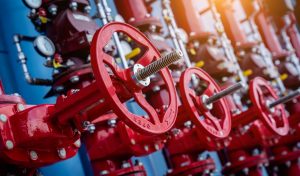 Essential Service: As critical infrastructure, water treatment plants operate 24/7 regardless of economic cycles, ensuring long-term job stability.
- Increasing Automation: Modern plants are integrating advanced technologies, increasing demand for skilled technicians to manage SCADA systems, PLCs, smart sensors, and process instrumentation.
- Aging Infrastructure & Workforce: An aging and retiring workforce means high demand for new technicians, especially those familiar with modern, automated equipment and processing.
- High Demand for Skill Sets: The field is increasingly seeking
technicians with expertise in troubleshooting, electrical, and computer skills, making it a reliable career choice.
Role Of Instrumentation Technicians
Instrumentation technicians at water treatment facilities maintain the systems that ensure safe water quality and efficient distribution to consumers and businesses. Key responsibilities typically include calibrating and maintaining water flow, level, pressure, chemical analysis, process control theory, and replacing parts when needed.
Other responsibilities include troubleshooting, repair work, and safety compliance. Technicians maintain and repair PLC-based control systems, and adhere to strict safety protocols for hazardous environments. They apply their skills in basic electricity, electronics, related math, instruments, motor controls, relay logic, and computer systems. Technicians also work with temperature, hydraulics, valves, final control elements, industrial measurement, and control systems. They document all their work in logs and reports for their supervisors.
|
“Technicians often enjoy strong job security, competitive pay, and clear advancement opportunities within municipal or private water sectors.” |
Career Outlook And Growth For Instrumentation Technicians
The career outlook and growth for instrumentation technicians looks promising from 2026-2036. The primary drivers for this industry include the need for safer water and the increasing population and business growth. Other positives include:
- Strong Job Outlook: Despite some projections of a decline in operators, the demand for specialized maintenance personnel remains high.
- Competitive Compensation: According to the Bureau of Labor Statistics, a median annual wage of $58,260 is paid for water and wastewater treatment plant and system technicians as of May 2024.
- Career Advancement: Opportunities exist to advance into senior technician roles, supervisory positions, or maintenance management.
- Certification Opportunities: The career path often includes advancement through state certification levels, offering a clear, merit-based path for higher pay and responsibility.
How To Enter The Field Of Water Treatment Instrumentation
 To work in an entry-level instrumentation position, you need a high school diploma or a GED. Some technical training in electronics, instrumentation, or work experience in industrial maintenance is helpful to prepare you to enter and graduate from a trade school.
The best opportunity to acquire a stable job is by earning an Instrument and Control Systems Technology (AOS) Associate in Occupational Studies Degree. State-specific certifications for assistant and full-time operators are often required. Further on-the-job training will help round out a technician’s education and training to be a quality employee.
Working at Wastewater Treatment Plants Is A Viable Option
Working at wastewater treatment plants as an instrument technician is another excellent career plan due to high job security, excellent benefits (often with pensions), and a low-stress, stable work environment. It offers long-term career growth, rewarding work protecting the environment, and high demand for skills in calibration, PLC systems, and SCADA networking.
- Exceptional Stability & Security: Wastewater is a recession-proof industry. People always need to “flush”, making this a “career for life”.
- Solid Pay and Benefits: Municipal jobs often come with competitive, stable pay, extensive paid time off (PTO), health insurance, and pension plans.
- Diverse Skill Development: You will work hands-on with PLCs, SCADA systems, sensors (level, flow, pH), and motor controls, building a high-value technical skillset.
- Work-Life Balance: Unlike many manufacturing jobs, municipal wastewater work is often low-stress and rarely requires working on tasks outside of regular business hours for many technicians.
- Rewarding Environment: As described on AgExplorer, you directly contribute to public health and environmental safety by managing water quality.
- Skills & Requirements: Technicians need to calibrate instruments, configure PLC systems, and diagnose faulty equipment. A thorough knowledge of electrical trades and security systems is often required.
- Entry and Advancement: Many new employees start as maintenance techs or assistant plant operators to get their foot in the door. With experience and training, technicians can become senior specialists or move into management.
- Transferable Skills: The skills learned are highly transferable to other industries, including chemical processing, manufacturing, and industrial automation.
- Job Variety: Technicians have the chance to work both indoors and outdoors, and the daily tasks change with new, challenging problems.
- While some report that the work can involve dealing with odors or cleaning sensors, the overall consensus is that it is a rewarding and stable career path.
If you are interested in this occupation, explore ITI Technical College’s training programs and associate degrees.
Disclosure:
For more information about graduation rates, the median debt of students who completed the program, and other important information, please visit our website: https://iticollege.edu/disclosures/