


Cybersecurity professionals need a blend of technical expertise and transferable soft skills. Key technical abilities include mastering networking protocols (TCP/IP, DNS), operating systems (Windows, Linux), and cloud security. Vital soft skills feature problem-solving, effective communication for translating risks to business leaders, and team collaboration. The necessary skills are divided into specific hard and soft skills. Students gain the essentials of these skills in college cybersecurity training. Contact ITI Technical College today for more information.
Hard Cybersecurity Skills
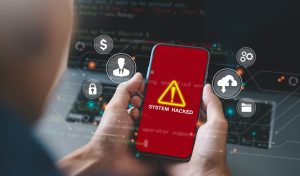 Hard cybersecurity skills, known as technical skills, are necessary to carry out job responsibilities. Information Technology program graduates must possess these abilities:
- Threat Detection & Incident Response: Monitoring systems, hunting for anomalies, and containing breaches.
- Scripting & Automation: Proficiency in languages like Python, PowerShell, or Bash to automate repetitive tasks and security operations.
- Cloud & Zero Trust Architecture: Understanding security configurations for cloud environments (AWS, Azure) and implementing strict access controls.
- Vulnerability Management: Using tools like Wireshark, Nessus, and Metasploit to test systems for exploits and secure applications.
- Risk Management & Compliance: Knowledge of security frameworks like NIST or ISO 27001 to align security measures with business regulations.
Soft And Transferable Cybersecurity Skills
Information technology employees need critical and analytical thinking skills to think like an attacker to anticipate threats and solve complex computing problems. They need business acumen to understand how the organization operates so they can balance security with usability and cost. These skills can be developed in a cybersecurity degree.
Employees should participate in continuous learning because the threat landscape evolves rapidly, requiring a commitment to studying new tools, AI advancements, and hacker methodologies. For structured, hands-on practice in these areas, you can explore platforms such as TryHackMe or Hack The Box.
Top 10 Cybersecurity Threats Organizations Face Today
Today’s cybercriminals are quite sophisticated, and IT professionals must possess the knowledge and skills to deal with them. The top 10 cybersecurity threats include:
- AI-Driven Attacks: Cybercriminals utilize generative AI and automated agents to create highly convincing, targeted phishing campaigns and dynamic, mutating malware.
- Ransomware & Data Extortion: Attackers encrypt critical data and increasingly employ “double extortion” by exfiltrating sensitive information to force payouts.
- Social Engineering: Manipulating individuals—through phishing, vishing, or deepfakes—into revealing credentials or transferring funds.
- Supply Chain Attacks: Targeting third-party vendors or trusted software dependencies to gain indirect access to a primary target.
- Identity & Credential Theft: Using stolen passwords, API abuse, and compromised multi-factor authentication (MFA) to navigate networks as legitimate users.
- Malware: Malicious software (such as Trojans, infostealers, and fileless malware) designed to infiltrate and damage systems.
- Cloud Vulnerabilities: Misconfigurations, insecure APIs, and lack of visibility in complex cloud environments.
- Internet of Things (IoT) Exploits: Using unsecured smart devices (like cameras and routers) as entry points to a wider network.
- Zero-Day Exploits: Attacks on software or hardware vulnerabilities that developers are unaware of and have yet to patch.
- Insider Threats: Malicious or negligent actions by current employees, contractors, or business partners with authorized system access.
|
“Cybersecurity professionals require a blend of technical expertise and transferable soft skills.” |
How To Deal With Cybersecurity Threats
 Securing against cyber threats requires a layered approach, blending strong technical defenses with disciplined user habits. Essential measures include utilizing Multi-Factor Authentication (MFA) to lock down access, keeping all software and systems patched, backing up critical data securely, and conducting routine employee security awareness training. Here are the core organizational cybersecurity solutions for cyber defense:
- Multi-Factor Authentication (MFA): Require at least two verification methods (passwords combined with authenticator apps or physical tokens) to block unauthorized account access.
- Password Managers: Enforce long, complex, and unique passwords for every site to limit the impact of credential stuffing.
- Firewalls and Antivirus: Deploy robust endpoint protection and firewalls to actively block malicious network traffic and malware.
- Patch Management: Regularly update operating systems, applications, and firmware to close known vulnerability gaps before they can be exploited.
- Data Encryption: Ensure all sensitive data is encrypted both at rest and in transit.
- Offline Backups: Maintain offline or separate, encrypted backups of critical systems to allow for rapid recovery in the event of a ransomware attack.
- Security Awareness Training: Educate employees on how to spot phishing attacks, social engineering tactics, and suspicious links.
- Incident Response Planning: Develop and regularly drill a tailored incident response plan to minimize downtime and damages during a breach.
Where To Learn Cybersecurity Skills
You can learn how to work with cybersecurity threats by gaining the necessary knowledge and skills at ITI Technical College. Enroll in our Information Technology (AOS) Associate in Occupational Studies Degree Program for hands-on cybersecurity training. Prepare yourself for one of the many jobs that are open in this industry with our specialized training.
Disclosure:
For more information about graduation rates, the median debt of students who completed the program, and other important information, please visit our website: https://iticollege.edu/disclosures/