

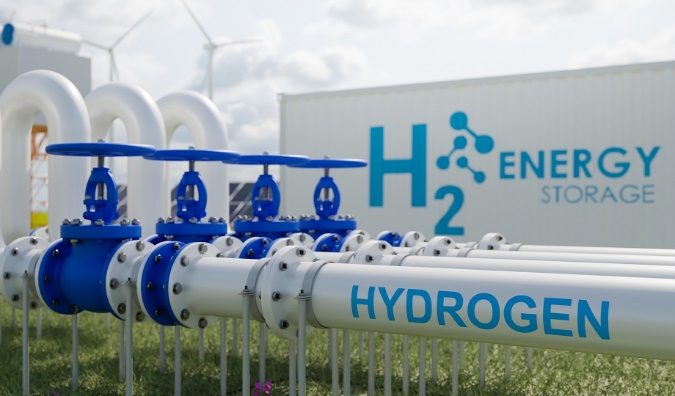
Hydrogen energy is a clean fuel and energy carrier that creates zero carbon emissions when used, driving a major shift in industrial manufacturing and process engineering. As a result, this transition opens new career paths for process technology (PT) graduates and requires mastery of advanced production, safety, and efficiency methods. Contact ITI Technical College today for more information.
Advantages Of Hydrogen Energy
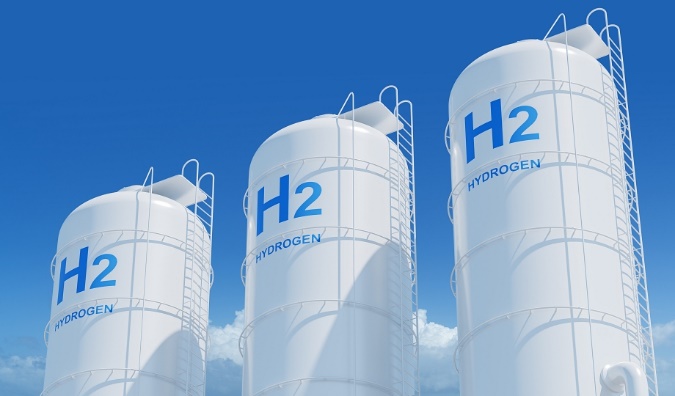
Overall, hydrogen energy is a clean and flexible power source. When used in fuel cells, it creates electricity with water vapor and warm air as the only emissions. In fact, it offers fast refueling times, high energy density by weight, and strong potential to replace fossil fuels in heavy transport and industry. Here are more advantages:
Clean and Safe for the Environment
- Zero Harmful Emissions: Point-of-use operation creates no greenhouse gases, soot, or smog, releasing only water vapor.
- Abundant Resource: Hydrogen is the most common element in the universe and can be made from water or renewable power sources.
Performance and Convenience
- Fast Refueling: Refueling a hydrogen fuel cell vehicle takes just a few minutes, matching the speed of traditional gas stations.
- Long Range: Tanks provide long travel distances (often 300+ miles), making it ideal for heavy trucks, buses, and industrial transport where large batteries are less practical.
- High Energy Yield: It packs more energy per unit mass than any other chemical fuel.
Grid Stability and Versatility
- Energy Storage: Excess electricity from wind or solar farms can create and store hydrogen, balancing power grids during peak demand.
- Multiple Applications: It works well for localized power generation, backup utility systems, and hard-to-decarbonize industrial sectors.
What It Means for Process Technology And Production
Consequently, using hydrogen energy means a shift to greener production. Most hydrogen is traditionally made via high-emission steam methane reforming (grey hydrogen). Graduates will increasingly work on clean alternatives like water electrolysis powered by renewables. As a result, this sector points to potential long-term, stable employment in many US and international companies.
New efficient technologies and innovations, such as advanced membrane materials like those developed by 1s1 Energy, aim to lower the high energy costs traditionally required to split water. In addition, graduates will pay special attention to storage and transport complexities. Hydrogen is the smallest atom, making leakage a major design and maintenance challenge. They must manage extreme cooling, high compression, and specialized pipeline infrastructure.
Career Opportunities For Process Technology Graduates
Indeed, hydrogen energy technology opens many new jobs and career opportunities for qualified graduates in this industry. For example, PT graduates are heavily recruited in the hydrogen energy sector to operate, monitor, and optimize clean gas production facilities, electrolysis units, and high-pressure distribution systems. Technicians act in these core job roles:
- Process and Production Technicians: Design, operate, monitor, and scale industrial gas plants; optimize electrolyzers, reformer units, and compressor stations.
- Storage and Operations Technicians: Manage safe containment, liquid hydrogen transport, and subsurface storage.
- Maintenance Technicians: Prevent embrittlement and gas leakage in high-pressure lines, equipment, and systems.
- Process Operator: Controls continuous chemical reactions, manages fluid flows, and tracks purity metrics on the plant floor.
- Hydrogen Field Service Technician: Maintains, troubleshoots, and services high-pressure fueling infrastructure and storage lines.
- Junior Process/Controls Engineer: Assists engineers in optimizing plant performance, tracking instrumentation, and running safety checks on gas systems.
- Process Safety Technician: Enforces safety protocols, manages hazardous work permits, and handles isolation procedures like Lockout/Tagout (LOTO).
“For process technology graduates, this transition opens new career paths and requires mastery of advanced production, safety, and efficiency methods.”
Industries And Companies Using Hydrogen Energy Process Technology

Notably, hydrogen energy and hydrogen feedstock are used heavily in chemical manufacturing, petroleum refining, heavy-duty transportation, and industrial power generation.
Key Industries Using Hydrogen
- Chemical Manufacturing: Accounts for the largest share of hydrogen use, primarily to produce ammonia for agricultural fertilizers and synthetic materials.
- Petroleum Refining: Uses hydrogen to remove sulfur and other impurities from crude oil during hydrocracking and desulfurization processes.
- Heavy-Duty Transportation: Utilizes hydrogen fuel cells to power long-haul trucks, buses, trains, and maritime vessels.
- Technology & Electronics: Relies on ultra-pure hydrogen for semiconductor fabrication and silicon wafer cleaning in advanced manufacturing and data center supply chains.
- Power Generation & Utilities: Employs stationary fuel cells and co-firing gas turbines to provide clean backup power and grid stabilization.
Major Companies Driving Hydrogen Use and Supply
- Industrial Gas & Production Leaders: Companies such as Air Products, Air Liquide, and Linde produce and distribute industrial-scale hydrogen for refining and chemical processing.
- Energy & Transition Majors: Multinationals like BP and ENGIE develop green hydrogen hubs powered by wind and solar to decarbonize heavy industry.
- Fuel Cell & Technology Providers: Manufacturers, such as Bloom Energy, Ballard Power Systems, and FuelCell Energy, build commercial fuel cells and electrolyzers for stationary and transport applications.
Key Technician Skills In Demand
Technicians need P&ID literacy to read and interpret piping and instrumentation diagrams. Additionally, they must have mastery of hazardous material handling and pressure safety management for safety compliance.
Familiarity with Distributed Control Systems (DCS) and Programmable Logic Controllers (PLC) in automated systems is essential. Technicians also need troubleshooting skills to diagnose mechanical, fluid, and gas compression anomalies.
Prepare for a career in Process Technology in the hydrogen energy sector of our economy at ITI Technical College in Baton Rouge. Finally, earn a Process Technology (AOS) Associate in Occupational Studies Degree and review our enrollment process today.
Disclosure:
For more information about graduation rates, the median debt of students who completed the program, and other important information, please visit our website: https://iticollege.edu/disclosures/
For more information about graduation rates, the median debt of students who completed the program, and other important information, please visit our website: https://iticollege.edu/disclosures/