

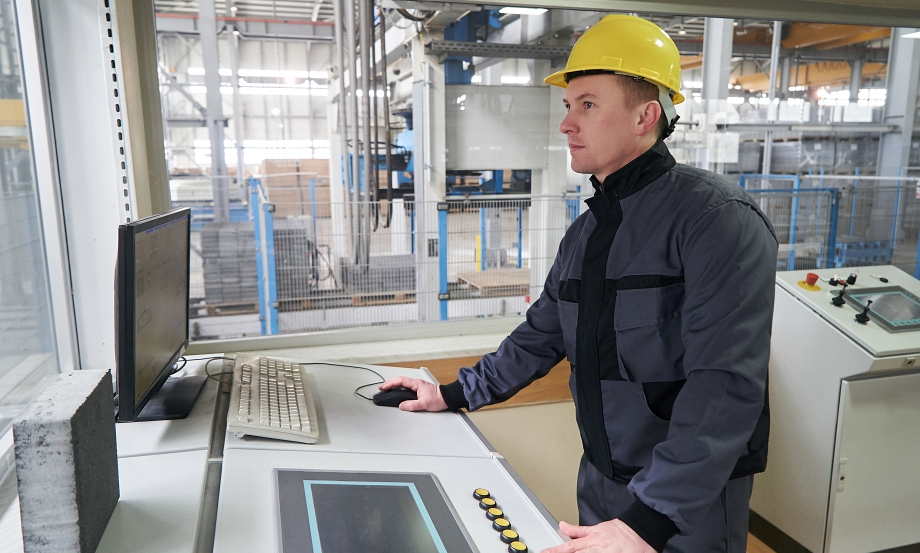
Process technicians in the chemical industry play a vital role in monitoring, operating, and maintaining production systems that support chemical manufacturing. While process technicians are employed in sectors such as manufacturing, natural gas, and water treatment, the growing chemical industry continues to create strong demand for skilled professionals and expanded industrial facilities.
Chemical storage facilities are highly regulated industrial environments designed to safely handle and contain volatile, hazardous, or reactive materials. Process technicians act as the vital frontline operators, monitoring systems, managing chemical transfers, ensuring strict regulatory compliance, and troubleshooting operations. Contact ITI Technical College today for more information.
Process Technicians In The Chemical Industry
Process technicians are the bridge between engineering designs and daily, on-the-floor operations. They have a role in the storage of products in the chemical industry, and their core responsibilities include:
 Process Monitoring: Utilizing control room panels, flowmeters, and digital dashboards to continuously observe temperature, pressure, and tank levels to maintain safety limits.
- Safe Transfers: Operating industrial equipment (pumps, valves, compressors, and conveyors) to safely move chemicals between transport vehicles, bulk storage tanks, and processing units.
- Inventory & Quality Control: Collecting samples for laboratory analysis and ensuring products and raw materials match specifications.
- Troubleshooting: Identifying abnormalities, such as pressure drops or unusual odors, and taking immediate corrective actions to prevent spills, leaks, or runaway reactions.
- Raw Materials: Before ordering raw materials for processing, technicians and supervisors study their contents to ensure they are safe for storage and will not negatively impact other onsite materials.
Critical Safety And Compliance Standards
Because storage facilities house both safe and dangerous substances, process technicians must strictly adhere to industry safety guidelines and regulations. Technicians play a critical role in OSHA Process Safety Management protocols, which help prevent toxic gas releases, fires, and explosions.
Process technicians segregate and store chemicals according to material compatibility to prevent catastrophic reactions. They also document and report every process parameter, equipment log, and material movement to comply with environmental and occupational health laws and government regulations.
Technicians provide the correct climate and environment to maintain a cool, dry, and well-ventilated area. They must keep chemicals out of direct sunlight and away from heat sources to prevent pressure buildup and ignition. Technicians must ensure all containers, including secondary ones, are clearly labeled with the chemical name, concentration, and hazard warnings. Use a first-in, first-out (FIFO) system to manage expiration dates.
Ergonomics and shelving require storing heavy or hazardous chemicals on lower, sturdy, chemically resistant shelves below shoulder height to prevent accidental drops and spills. Technicians and supervisors must locate and test eyewash stations, emergency showers, and spill kits regularly. Ensure all facility workers are trained in evacuation and established spill procedures.
|
“Process technicians act as the vital frontline operators, monitoring systems, managing chemical transfers, ensuring strict regulatory compliance, and troubleshooting operations.“ |
Equipment And Personal Safety For Process Technicians In The Chemical Industry
 Safety is the priority for employees, visitors, and the surrounding homes and businesses in the chemical industry. To teach and carry out safety tasks and procedures, process technicians rely on specialized systems, equipment, and personal gear. They work with:
- Engineering Controls: Technicians use and monitor ventilation systems, spill kits, and secondary containment curbs designed to capture hazardous leaks.
- PPE & Emergency Equipment: These workers use appropriate Personal Protective Equipment (PPE) and perform routine inspections of emergency eyewash stations and safety showers. Personal protection can include chemical-resistant gloves, safety goggles, full-body protection, and respirators.
- Training and Education: Technicians often receive specialized training and hands-on simulation practice, with certification tracks available through the North American Process Technology Alliance (NAPTA) to maintain high competency in plant operations.
Typical Government Regulations For The Chemical Industry
Government regulations for the chemical industry primarily focus on mitigating health, safety, and environmental risks. Chemical manufacturers must navigate rigorous federal frameworks that monitor the entire chemical lifecycle—from initial laboratory research and commercial production through storage, transportation, worker exposure, and final waste disposal.
- Toxic Substances Control Act (TSCA): Administered by the EPA, this is the primary law governing both new and existing chemical substances for storage and use. Manufacturers must report on chemical composition, maintain records, and submit data so the EPA can evaluate potential health and environmental risks before a chemical enters commerce.
- Federal Insecticide, Fungicide, and Rodenticide Act (FIFRA): Regulates the manufacture, sale, and use of pesticides to protect applicators, consumers, and the environment.
- Clean Air Act (CAA) & Clean Water Act (CWA): Places strict limits on the pollutants a facility can release into the air or discharge into navigable waters. Companies must secure permits, install pollution-control technologies, and continuously monitor their emissions.
- Resource Conservation and Recovery Act (RCRA): Establishes the “cradle-to-grave” framework for managing hazardous chemical waste, strictly dictating how it is generated, transported, treated, stored, and disposed of.
- Hazardous Materials Regulations (HMR): Enforced by the Department of Transportation (DOT), these rules specify how hazardous chemicals must be classified, packaged, documented, stored, and safely transported across highways, railways, waterways, and airways.
- Emergency Planning and Community Right-to-Know Act (EPCRA): Requires chemical facilities to report the presence and accidental release of hazardous chemicals during processing and storage to local emergency responders and the EPA’s Toxics Release Inventory (TRI) to keep local communities informed.
Training And Education For Process Technicians
If you want to work in the chemical industry as a process technician, earn a Process Technology (AOS) Associate in Occupational Studies Degree from ITI Technical College. Entry-level employment opportunities can open up to you with this training and education. Apply today.
Disclosure:
For more information about graduation rates, the median debt of students who completed the program, and other important information, please visit our website: https://iticollege.edu/disclosures/