

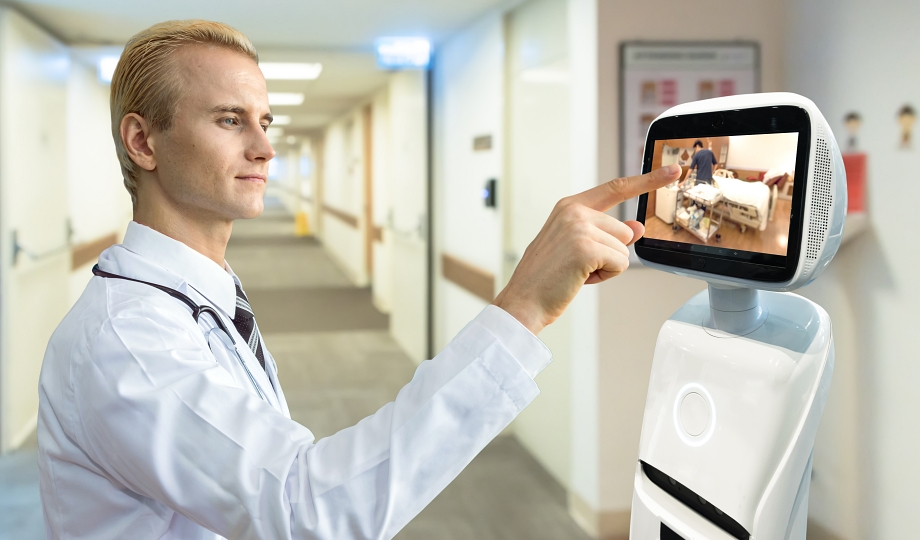
Hospital automation and electronic systems technology, such as electronic health records (EHRs), robotic process automation (RPA), and artificial intelligence (AI), help hospitals handle repetitive tasks, reduce errors, and speed up patient care. Hospital automation also extends to robotics and electronic systems that help surgeons perform precise, minimally invasive operations. If you are interested in this field, explore a degree in automation and electronic systems technology at ITI Technical College.
Hospital Automation Administrative Tasks
Hospital administrators automate routine office work electronically to save time, lower costs, handle repetitive paperwork, schedule coordination, and financial processing so staff can spend more time on patient care. Major facilities use automation and electronic systems technology extensively, while smaller ones are slowly catching up. These administrative tasks are currently automated or in the process of automation in many healthcare facilities:
Appointment Scheduling and Patient Intake
- Digital Check-In: Self-service kiosks and online portals let patients fill out forms and register before arriving.
- Scheduling: AI tools scan patient records and lab results to book appointments and route patients to the right doctor faster.
- Automated Reminders: Systems send text or email alerts to confirm appointments and fill empty slots from cancellations.
- Smart Call Centers: Virtual agents answer routine patient questions, give pre-procedure instructions, and manage callbacks using embedded rules.
Billing and Revenue Management
- Eligibility Verification: Software checks insurance coverage in real time before a patient sees a doctor and processes medical claims without manual phone calls.
- Claims Processing: Robotic Process Automation (RPA) flags coding errors and tracks payment statuses to reduce rejected claims.
- Digital Collections: Automated assistants review accounts and send payment reminders or structured financial options to patients.
Record Keeping and Compliance
- Electronic Health Records (EHR): Digital templates auto-populate patient notes and standardize clinical documentation.
- Data Entry: Speech-to-text tools and smart scanners turn paper forms and voice notes into digital files.
- Audit Trails: Automated systems track data access to ensure compliance with privacy laws like HIPAA.
Clinical and Patient Care In Hospital Automation
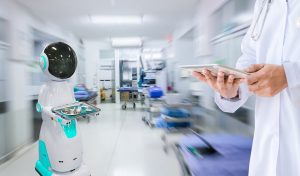 Automated electronic systems also support medical teams inside the hospital. Automated medication dispensing machines store and track drugs safely, which virtually stops human errors. Smart sensors monitor patients by tracking vital signs at home or in rooms and alert nurses if a patient needs help. Software bots handle basic workflow rules, while AI handles complex data.
Clinical and patient care in hospital and clinic automation uses smart software and digital tools to handle routine medical paperwork and tracking, so doctors and nurses can spend more time treating people. Artificial intelligence (AI) listens to doctor-patient visits and writes medical notes in real time. Electronic systems send prescriptions directly to pharmacies while checking for bad drug interactions.
Wearable tools track patient vitals and warn medical teams if a condition gets worse. Smart software looks at patient scans and test results to push urgent cases to the top of the list.
Automated checks catch dangerous drug clashes and missing data before they harm patients, producing fewer mistakes. Staff spend fewer hours on typing and paperwork while doctors and nurses get more hours for direct, personal patient care.
|
“Hospitals use automation and electronic systems technology, such as electronic health records (EHRs), robotic process automation (RPA), and artificial intelligence (AI) to handle repetitive tasks, reduce errors, and speed up patient care.” |
Resource Management Automation
Hospitals use technology to run their physical buildings and manage critical resources. Inventory control, facility control, operational efficiency, and scheduling workflows are among them. These resources need constant monitoring:
- Inventory Control: Systems track medical supplies and predict when to reorder items.
- Facility Control: Smart thermostats and automated maintenance keep hospital rooms safe and comfortable.
- Operations: Automation can be customized for individual facilities to monitor many different types of general operations and processes.
- Tracking: Automated scanners monitor medication and medical inventory levels, reordering items when stock runs low.
- Expiry Monitoring: Software tracks expiration dates to reduce waste and manage hospital resources during busy periods.
- Other: Automation and electronic systems can organize patient scheduling based on the severity of their conditions.
Perform Precise, Minimally Invasive Surgeries
 Automation, electronics, and robotics can perform precise, minimally invasive operations by translating a surgeon’s hand movements into micro-scaled, highly stable actions through tiny keyhole incisions. This is how the technology works:
- Surgeon Console: The doctor sits at an ergonomic console viewing a magnified, high-definition 3D image of the surgical site.
- Motion Scaling: Robotic arms translate the doctor’s hand, wrist, and finger movements into smaller, highly precise mechanical gestures inside the patient.
- Tremor Filtering: The system automatically filters out natural human hand tremors to maintain absolute steadiness during delicate maneuvers.
- Enhanced Dexterity: Articulated robotic instruments rotate and bend past the limits of the human wrist, improving access to tight, hard-to-reach areas.
- Artificial Intelligence (AI) Integration: Advanced software aids in real-time decision support, autonomous camera tracking, and boundary enforcement to protect vital nerves and blood vessels.
Core Benefits for Patients
- Smaller Incisions: Procedures require only keyhole-sized cuts (often under an inch), reducing physical trauma.
- Faster Recovery: Patients experience significantly less blood loss, lower infection risks, reduced post-operative pain, and quicker hospital discharges.
- Minimal Scarring: Tiny entry points leave barely visible marks compared to traditional open surgeries.
If you are interested in this career, explore an Automation & Electronic Systems Technology (AOS) Associate in Occupational Studies Degree at ITI Technical College. Graduates are prepared to work in entry-level positions in a range of industries. Contact ITI Technical College today for more information.
Disclosure:
For more information about graduation rates, the median debt of students who completed the program, and other important information, please visit our website: https://iticollege.edu/disclosures/