


Plant hiring managers look for process technicians who prioritize safety, troubleshoot methodically, and master technical systems. Preparation for process technician interview questions focuses on the core categories hiring managers ask and using proven answering frameworks. Studying the top plant hiring questions and what they mean is critical to interviewing success. Contact ITI Technical College today for more information.
Process Technician Interview Questions: Safety & Compliance
Common Questions: “How do you ensure safety in your work area?” or “What is your experience with lockout/tagout (LOTO) and OSHA guidelines?”
What They Really Ask: Will you risk plant safety to hit a production target? Managers need absolute proof that you will always follow protocol and stop work immediately upon spotting a hazard.
Safety and compliance are critical for process technicians because they prevent catastrophic industrial accidents, protect workers from hazardous chemicals, and ensure legal and operational stability. Following safety rules prevents severe burns, poisoning, or explosions. Learn more about how process technicians improve workplace safety.
Adhering to Personal Protective Equipment (PPE) guidelines and protocols like Lockout/Tagout (LOTO) stops accidental machinery activation or chemical exposure.
Technicians must follow strict guidelines set by agencies like OSHA and the EPA. Compliance avoids expensive government fines, legal liabilities, and facility shutdowns. Equipment failures and safety incidents halt production. Diligent safety checks and compliance keep plants running smoothly. Proper equipment maintenance and risk monitoring protect expensive industrial infrastructure and assets from catastrophic damage.
Process Technician Interview Questions: Troubleshooting & System Failures
Common Questions: “A machine breaks down late at night—what procedures do you follow?” or “How do you handle a process deviation from controlled limits?”
What They Really Ask: Do you panic, or do you use a logical process? They want to see a step-by-step method: confirming symptoms, checking safety rules, reviewing manuals, and isolating root causes.
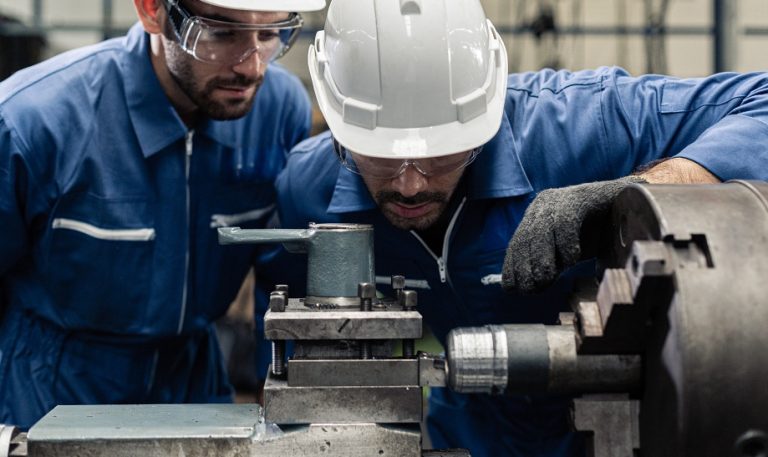 Troubleshooting and system failures are vital to process technicians because they directly impact plant safety, environmental compliance, and continuous production efficiency. They are critical for these reasons:
- Safety Assurance: Quick and accurate troubleshooting prevents minor anomalies from escalating into catastrophic events.
- Minimizing Downtime: Systematic troubleshooting can save thousands of dollars and reduces the time required to diagnose and fix a problem.
- Protecting Product Quality: Identifying root causes prevents massive product waste, equipment fouling, and expensive reprocessing.
- Environmental Compliance: Knowing how to troubleshoot these systems keeps facilities within strict regulatory environmental limits.
- Preventative Learning: Analyzing system failures allows technicians to practice root-cause analysis rather than just applying temporary band-aids.
“Preparation for these interviews focuses on the core categories of questions hiring managers ask and using proven answering frameworks.” |
Technical Proficiency Interview Questions
Common Questions: “Describe your experience with PLCs (Programmable Logic Controllers)” and “Have you mastered handling DCS (Distributed Control Systems)?”
What They Really Ask: Can you step onto the floor and operate our control panels immediately, or will you need months of basic computer training?
Technical proficiency is essential for process technicians because it ensures the safe, efficient, and reliable operation of complex industrial systems. See a day in the life of a process technology specialist for how these skills are used on the job. Key reasons technical proficiency matters:
- Safety and Compliance: Knowing safety protocols and operating standards prevents catastrophic accidents and regulatory violations.
- Effective Troubleshooting: Technical skills allow technicians to diagnose equipment failures quickly and minimize costly operational downtime.
- Operational Efficiency: Understanding instrumentation and automation helps technicians analyze system data, spot irregularities, and optimize production workflows.
- Quality Control: Precise monitoring of machinery and raw materials ensures that the final output meets strict industry standards and specifications.
Process Improvement & Quality
Common Questions: “Tell me about a time you identified and solved a process inefficiency.” or “Why is quality control important to you and our company?”
What They Really Ask: Do you just watch the dials, or do you actively look for ways to save time, reduce waste, and improve output quality?
 Process improvement and quality are essential for process technicians because they directly control the operational safety, efficiency, and product consistency of manufacturing and industrial systems. Technicians should understand why the following are important:
Why Quality Matters to Process Technicians
- Defect Prevention: Technicians monitor variables like temperature, pressure, and flow rates to catch product flaws early before entire batches are ruined.
- Standard Compliance: Maintaining strict quality metrics ensures that products meet safety, regulatory, and customer requirements.
- Reduced Variability: Consistent monitoring reduces process drift, leading to repeatable, reliable production outcomes.
Why Process Improvement Matters to Process Technicians
- Waste and Cost Reduction: Using tools like Lean manufacturing or Six Sigma helps technicians identify and remove non-value-added activities, saving money.
- Enhanced Safety and Efficiency: Optimizing workflows eliminates bottlenecks, reduces equipment strain, and maintains a safer working environment.
- Continuous Problem Solving: A focus on ongoing refinement, as Kaizen empowers technicians to proactively upgrade daily operations instead of just fixing immediate breakdowns.
How to Answer: Use The STAR Method
The STAR method is a structured framework used to answer behavioral interview questions by telling a clear, concise story about your past work experience. STAR stands for Situation, Task, Action, and Result.
Interviewers ask questions like “Tell me about a time when…” to predict how you will perform in the future based on how you behaved in the past. The STAR method stops you from rambling, keeps your answer focused, and highlights your actual skills. Use it by following these steps:
- Situation (S): Set the scene. Describe the context, background, problem, or specific plant issue or challenge you faced. Keep this brief (1-2 sentences).
- Task (T): Explain your specific responsibility, goal, or challenge in that situation. What did you need to achieve it?
- Action (A): Detail the concrete steps you took to solve the technical problem. Focus on safety steps and your personal contributions rather than what the team did, and use “I” statements instead of “we”. This is the most important part of your answer.
- Result (R): Share the positive outcome of your actions. Whenever possible, use measurable numbers, metrics, or data to prove your impact and outcome (e.g., “sales increased by 15%” or “saved 5 hours a week”). Mention what you learned or achieved.
In summary, process technicians who prepare well for job interviews have the best chances to obtain the jobs they seek in interviews. ITI Technical College’s Process Technology (AOS) Associate In Occupational Studies Degree program is endorsed by the North American Process Technology Alliance (NAPTA). If you are interested in a career in process technology, explore what ITI Technical College has to offer your future.
Disclosure:
For more information about graduation rates, the median debt of students who completed the program, and other important information, please visit our website: https://iticollege.edu/disclosures/