
The first semester brings excitement as you meet your instructors, explore the campus, and begin hands-on learning, giving new HVAC students at ITI a strong start. You’ll attend classes and lab sessions four days a week, with flexible morning or evening schedules to fit your needs.
Overview Of The HVAC Program And Degree
 Core Topics For New HVAC Students At ITI
During your first semester of training at ITI, you will be presented with an overview of the HVAC industry and core topics. Instructors are excited about introducing these areas:
- Electrical Fundamentals: Basic circuits, wiring, National Electrical Code (NEC), and electrical safety.
- Refrigeration Cycle: Understanding the core processes of heating and cooling.
- System Components: Motors, relays, controls, and the structure of HVAC/R systems.
- Heat Transfer: Principles of how heat moves in systems.
- Refrigerants: Safe handling, regulations, and ozone impact (leading to EPA 608 prep).
- Basic Math & AC Load Calculations: Essential for sizing and system design.
Skills You Will Start Developing
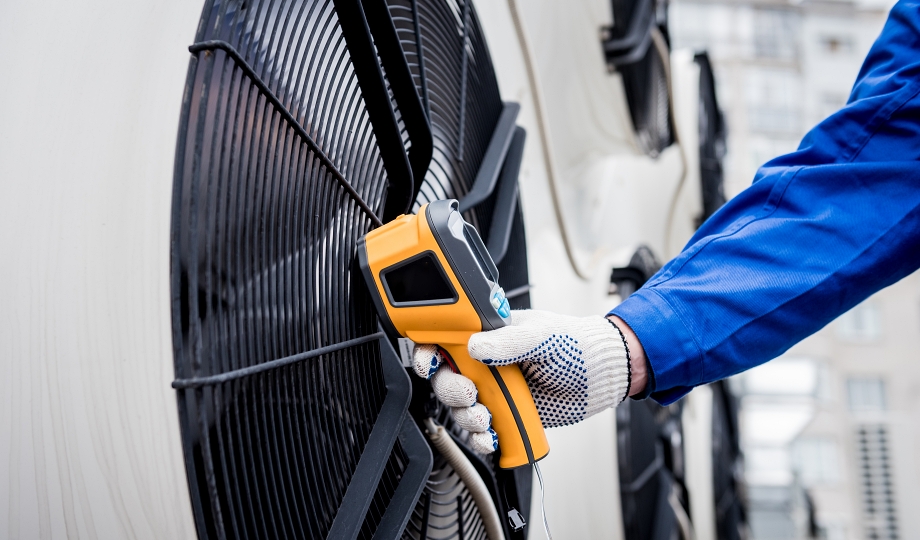
Skill development is the essential part of your HVAC education and training. Hands-On Training involves working with equipment, wiring, and testing meters. You will be engaged in troubleshooting by diagnosing issues in refrigeration, AC, and heating systems. Customer Service consists of communicating effectively with clients and explaining technical issues. Safety is paramount, and you will learn procedures for electrical work and handling refrigerants. PC Skills are developed by studying Intro to Office Applications, Technical Writing, and Programmable Controllers.
|
“Your first semester at ITI (ITI Technical College) for HVAC training involves foundational learning in basic electricity, heat transfer, and refrigeration principles.” |
HVAC Training: Instructors And Learning Experiences
Your HVAC faculty members are trained professionals with experience in the field. They are dedicated to your success in gaining the knowledge and skills to graduate from the program and find an entry-level position. They will introduce potential jobs and careers that lie in your future.
HVAC Students At ITI: Key Certifications And Career Prep
 Core skills and knowledge are not the only areas in your HVAC training and education. Graduates of the program are also prepared for the following:
- EPA Section 608: Training to pass this mandatory certification for handling refrigerants.
- Industry Competencies: Preparing for other HVAC/R certification exams during the program.
- Job Readiness: Skills for maintenance, repair, performance testing, and even sales. Students are taught how to compose effective resumes, write letters to employers, and interview for jobs.
- What to Invest In: As you progress through the semesters, you will know what tools to acquire for the work. You should also invest time in studying principles and practicing skills you have learned on your own time.
Jobs And Careers For Your Future
Many types of HVAC-related jobs are available for those who prepare themselves. Earning an Associate of Occupational Studies (AOS) Degree is the first step toward these career paths:
- HVACR Technician: Installs, maintains, and repairs heating, ventilation, air conditioning, and refrigeration systems
- HVACR Installer: Installs new HVAC systems in residential or commercial buildings.
- HVACR Maintenance Technician: Diagnoses and repairs existing HVACR systems.
- HVACR Sales Representative: Sells HVACR products, builds, and maintains customer relations.
These roles offer a wide range of responsibilities, from basic troubleshooting to advanced technical work, giving new HVAC students at ITI the opportunity to build real-world skills. As experience grows, technicians can move into supervisory roles or specialize in areas such as system design or controls. Demand for HVAC professionals is expected to rise over the next decade due to the need for energy-efficient systems, increasingly complex climate technologies, and a retiring workforce. You can start preparing for this career path by requesting more information about the Air Conditioning, Refrigeration, & Electrical Technology (AOS) Associate in Occupational Studies Degree at ITI Technical College.