
If you are interested in working with electrical projects as a career, the key is getting the right technical training and education, and whether you are in high school, unemployed, or currently working, now is the perfect time to explore the field of electrical technology; Electrical Technology Certificates offer a fast track into skilled trades by providing quick, hands-on training for immediate job readiness—often in under a year—focusing on practical skills rather than lengthy theory, which leads to high demand, competitive pay, and clear career growth into roles such as licensed electricians or managers, all while helping you avoid significant student debt. Contact ITI Technical College for more information.
What Is Electrical Technology?
Electrical technology is the practical application of electrical principles for designing, installing, maintaining, and repairing electrical systems and devices, bridging the gap between pure science and real-world use, encompassing everything from wiring homes to advanced power grids, electric vehicles, and electronics like smartphones, focusing on making electricity work for functional purposes. Let’s delve into electrical technology a little deeper.
Core Aspects

- Practical Application: It’s hands-on, focusing on how things work, unlike theoretical electrical engineering, which focuses more on broad concepts.
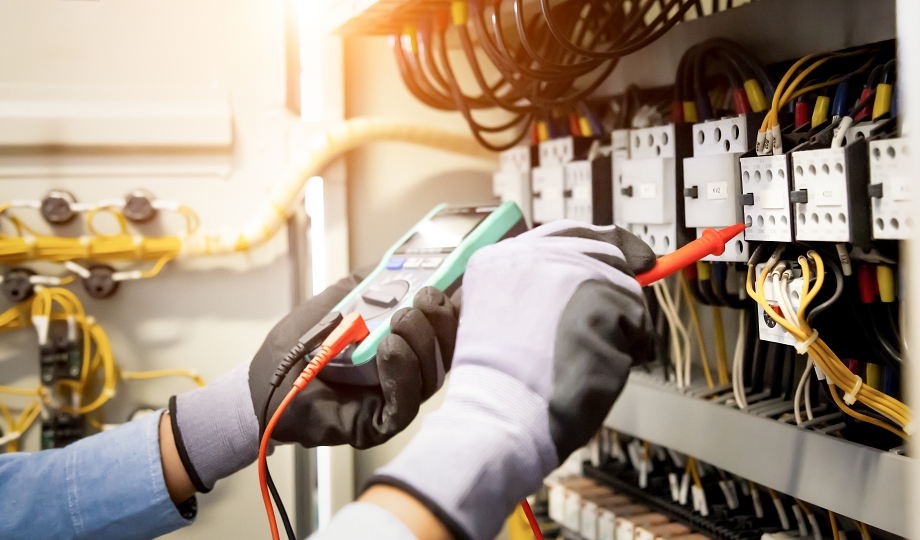
- System Installation & Maintenance: Involves wiring, circuit design, motor control, and troubleshooting in residential, commercial, and industrial settings, following codes like the National Electrical Code (NEC).
- Energy & Power: Covers the generation, transmission, and distribution of electricity, including renewable sources and efficient energy use.
- Electronics & Devices: Includes components, such as semiconductors, motors, control systems, and the creation of electronic gadgets, from simple bells to complex smartphones.
What it Includes
- Residential & Commercial Wiring: Installing and fixing electrical systems in buildings.
- Industrial Automation: Working with programmable logic controllers (PLCs) and motor controls.
- Renewable Energy: Integrating solar, wind, battery, and thermal energy technologies.
- Electric Vehicles: The electrical systems powering EVs.
- Telecommunications: Aspects of power and signal transmission.
Key Difference from Electrical Engineering
- Electrical Engineering (EE): Often focuses on conceptual design, theory, and research.
- Electrical Technology (ET): Focuses on the applied design, implementation, installation, and maintenance of those concepts.
Why Earning Electrical Technology Certificates Is The Fast Track
A Certificate program is beginner-friendly because it is designed for newcomers, starting with fundamentals, such as circuits and safety, before moving to advanced tasks. You can typically create an immediate income after graduation, potentially minimizing or eliminating student debt while gaining experience. The Electrical Technology Certificate program is taught 3 days each week in evening sessions for 4 terms or 48 weeks. And that is what is called a fast track.
|
“A Certificate in Electrical Technology is a fast track to skilled trades because programs offer quick, hands-on training for immediate job readiness, often in under a year.” |
Electrical Technology Certificates: Benefits For Your Career
 Electrical Technology Certificates provide solid benefits for your career, not found in general education-focused university programs, that include:
- High Demand: Electricians are needed for population growth, new construction, and evolving tech, ensuring job security.
- Versatile Opportunities: Skills apply to residential, commercial, industrial, solar, wind, and manufacturing sectors.
- Strong Earning Potential: Competitive salaries, with growth opportunities as you gain experience and licenses, even leading to business ownership.
- Clear Advancement: Certificates build toward licensing, senior roles (supervisor, project manager), and specialization.
- Cost-Effective: Lower tuition and fewer fees mean less student debt compared to a 4-year degree.
- Hands-On & Practical: Training simulates real work environments, teaching job-ready skills with tools and equipment.
- Career-Focused: Curricula are specialized for specific, in-demand fields (such as HVAC, IT, Healthcare), skipping general education requirements.
- Industry Connections: Schools often partner with local employers, aiding in job placement.
- Clear Path: Provides a direct route to a specific job, offering greater career clarity and reducing job search ambiguity.
Ideal For:
- Those wanting to quickly enter a skilled trade.
- People seeking hands-on learning over lectures.
- Individuals looking for an affordable alternative to traditional college.
- Career changers who need specific skills for in-demand roles.
The Pathway
Electrical Technology Certificates provide the foundational knowledge and practical skills needed to start working, often as a stepping stone to an associate degree or further certifications, setting you up for a rewarding, long-term career in a growing field. ITI Technical College has a program to help you launch a fast-track career in Electrical Technology. Find out how to enroll by requesting information about the program and our college.
For more information about graduation rates, the median debt of students who completed the program, and other important information, please visit our website: https://iticollege.edu/disclosures/