
HVAC career paths can be a strong choice. According to the Bureau of Labor Statistics (BLS), employment of heating, air conditioning, and refrigeration mechanics and installers is projected to grow 11% from 2025 to 2035, adding about 48,200 jobs to the 440,900 jobs in 2025. The median annual wage for these workers was $61,010 in May 2025.
This new growth is fueled by residential, commercial, and industrial upgrades, solar power, wind power, and new construction. HVAC employment is a year-round job in most areas because we want to stay comfortable every month. This industry is both interesting and challenging to work in because of all the new heating and cooling equipment and systems. Those with advanced training get better jobs in this industry. Contact us today for more information about our programs.
HVAC Career Paths Start with Installing Equipment
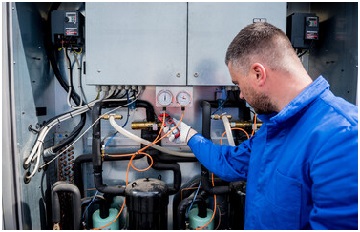
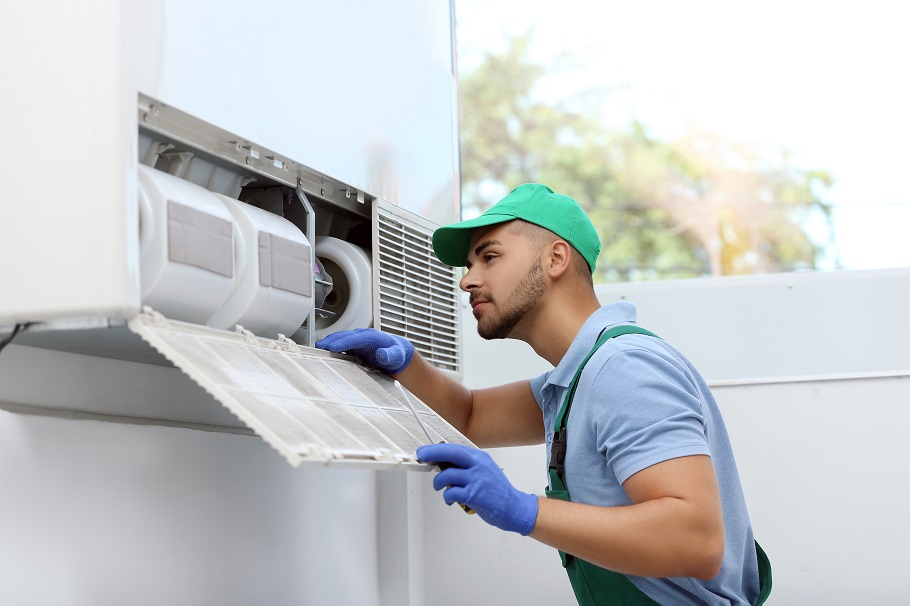
New HVACR technicians use their college education at work sites to install new equipment. This is a great way to also learn as you go by working side-by-side with more experienced technicians and managers. Whether replacing old systems in current homes or businesses or working in new construction, technicians see how to do the work from the ground up.
Technicians learn how to determine the best system and its size for each job. They learn how to properly install the equipment for peak efficiency. For replacement equipment and systems, they dismantle the old equipment efficiently and clean the area for customers. The new furnace, air conditioner, ductwork, or heat pump is put in place and tested for functioning.
HVAC Career Paths Also Include Troubleshooting and Repair
HVAC technicians grow in their jobs until they can handle routine troubleshooting and repair by themselves. Customers call to tell their equipment or systems are malfunctioning. It is the technician’s responsibility to go to the appointment to do one or more of the following:
- Ask the customer what is going wrong
- Troubleshoot and diagnose the typical issues
- Delve further into the system if the initial search turns up nothing
- Isolate the problem and provide customers with options
- Provide repair or replacement costs on the job or call back from the office
- Repair the issue or replace the parts on the spot if possible
- Provide the customer with an estimate or bill
|
“HVAC employment is a year-round job in most areas because we want to stay comfortable every month. This industry is both interesting and challenging to work in because of all the new heating and cooling equipment and systems.” |
Jobs for Solar Technicians Are on the Rise

Solar panels and systems are also growing in popularity as home and business owners try to lower utility bills with solar power. Solar technicians perform these types of services:
- Assemble solar panels for home and business use
- Install these panels and systems where needed
- Repair or perform maintenance on current solar systems
- Replace parts or clean the systems as needed
- Let customers know how to maintain their panels and systems
Rebates are offered to home and business owners that qualify. These rebates can go a long way toward paying for the new systems. As this technology advances, the panels should become more powerful and less expensive.
Refrigeration Technicians Keep Things Cool
Today’s HVAC technicians are also trained in commercial refrigeration. This viable career path is vital for more than just making businesses comfortable. A technician’s primary duties include:
- Install refrigeration systems in new construction
- Repair or replace current refrigeration systems
- Answer service calls and respond to emergencies
- Conduct regular maintenance on equipment
- Maintain climate-controlled equipment for hospital labs, florists, supermarkets, blood banks, and other medical and non-medical facilities
Technicians also maintain ice machines and beverage dispensers as well as provide advice on equipment upgrades and alternative cooling units. They also process and complete work orders for specific jobs.
HVACR Estimators Provide Customers with Job Costs
HVACR estimators provide customers with job costs rather than installing, repairing, or maintaining equipment and systems. They must be well-versed in all the latest equipment, devices, and systems to provide accurate quotes. Their primary duties include:
- Meet with customers to understand their needs
- Provide job costs to see if they are within customers’ budgets
- Provide alternate work proposals and costs within customers’ budgets
- Communicate completely with customers to make sure they understand the scope and time frame of their projects
- Update customers on complex jobs as the work progresses
For more, read a guide to types of refrigerant in your HVAC services training. You can also learn more about this topic in HVAC tools every graduate should own before their first job.
The future for HVACR technicians looks promising as home starts and businesses grow. If you are interested in this career, consider earning a degree in Air Conditioning, Refrigeration, and Electrical Technology (AOS). Contact us today!
Ready to start training for this career? Explore the Associate of Occupational Studies (AOS) Degree in Air Conditioning, Refrigeration, & Electrical Technology at ITI Technical College.
For more information about graduation rates, the median debt of students who completed the program, and other important information, please visit our website at: https://iticollege.edu/disclosures/