

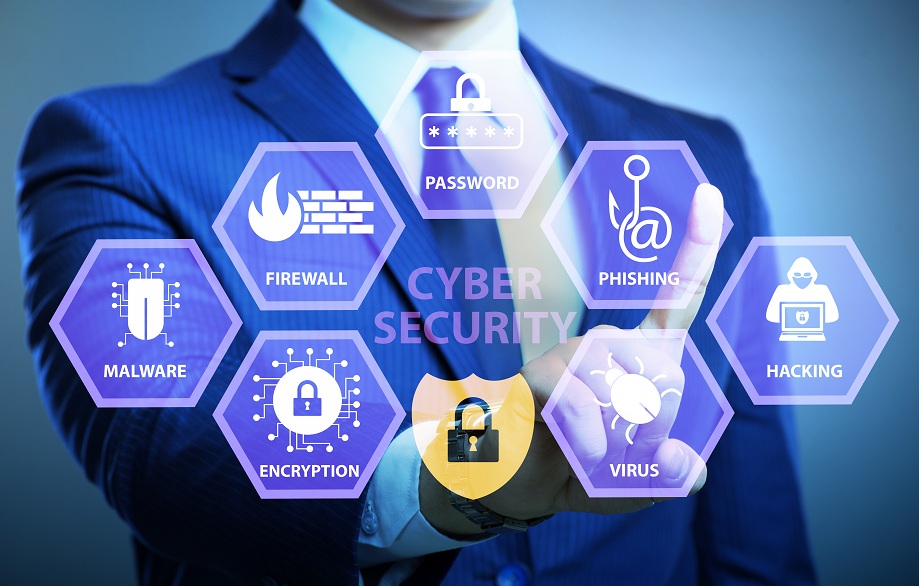
Cybersecurity in today’s digital world is essential for protecting personal information, business operations, and sensitive data. As organizations continue expanding their digital technologies and online services, the need for strong cybersecurity measures has grown to defend against the increasing threat of cyberattacks and data breaches.
Cybersecurity is our best defense against malicious cybercriminal attacks. An organization’s strong cybersecurity policies and infrastructure work to create security from attacks and potential attacks. Heavy investments are made to reap the benefits of cybersecurity, such as protecting assets, sensitive data, and national security. Organizations need the right tools and strategies to survive.
What Is Cybersecurity And Its Importance
Cybersecurity is a defense system to defend us and digital devices from hackers, spammers, and cybercriminals. Most professionals work on finding the best ways to protect personal and organizational assets, including computers, software programs, smartphones, networks, and databases, from attacks.
Cybersecurity is a broad field covering preventing identity theft and detecting international digital weapons. Attacks are typically focused on the following:
- Accessing information
- Changing information
- Destroying information
- Extorting money from users
- Interrupting business processes
Organizations must constantly work on ways to prevent the loss of revenue, sensitive data, and interruption of their computer systems. According to the FBI, cyber attacks cost the U.S. about $12.5 billion in 2023. This is a 22% increase from 2022 and about $40 per person.
Beware Of These Types Of Cyber Threats
 We need to be aware of common cyber threats to recognize them and stop them. Three classifications of crimes include computer-assisted crimes, computer attacks, and those where computers are incidental to the crime. Typical threats include:
- Adware is a type of malware that can install an unwanted program that generates unwanted online ads.
- Botnets are a major attack by remotely controlled malware-infected devices. Compromised computers become part of the botnet system.
- Cyberterrorism is aimed at harming computers and information technology and creating major social disruption.
- Denial of Service attacks flood a network or computer with an overload of processes, making it impossible to respond to user requests.
- Malware can install harmful software without approval or disrupt a computer system
- Man-In-The-Middle attacks involve hackers who insert themselves into a two-person online transaction. The hackers can filter and steal desired data.
- Phishing is a false communication trick that typically asks us to follow instructions that are risky for personal information. Some attacks also install malware.
- SQL attacks insert malicious code into SQL-using servers, which causes problems.
- Trojans trick us into thinking we are opening a harmless file. Once in place, it can let cybercriminals access our system.
| “Cybersecurity is our best defense against malicious cybercriminal attacks.” |
Cybersecurity Provides Many Benefits
The benefits of organizations installing cybersecurity measures outweigh their costs. Research has shown the many benefits include:
- The essential benefit is protecting computer systems, networks, and data
- Companies boost their brand trust and keep more customers
- They spur innovation and separate themselves from the competition
- Power plant blackouts caused by hackers can be prevented
- People’s personal financial information can be better protected
- Response time to attacks is faster and less expensive than without cybersecurity
Cybersecurity service providers are hiring more staff who are available round the clock. This service can be more cost-effective than in-house It security
Cybersecurity Misconceptions You Should Know
 Misconceptions and myths are floating around that we should be aware of because managers and employees sometimes perpetuate them. Don’t believe the following:
- Antivirus software is enough to protect us – Since not all attacks and threats are known, antivirus software is insufficient protection. Evolving malware may not be detected by such simple means.
- Cybersecurity is the IT department’s job – Cybersecurity is a group effort including managers, employees, and the IT department. Human error is the leading cause of data breaches, and effective training must be put in place.
- Data is safe enough in the cloud – The safety of data in the cloud depends on the provider’s security practices as well as your company’s practices.
- My business is too small to become a cyber target – Cyber Criminals often attack small organizations because they lack strong cybersecurity protection.
- Strong passwords provide all the protection we need. Strong passwords are helpful but are not foolproof. Sophisticated attackers can compromise passwords and cause data breaches.
Cybersecurity in today’s digital world creates a growing need for skilled professionals who can help protect networks, systems, and sensitive information. Earning an associate degree in cybersecurity can help prepare you for entry-level career opportunities in this expanding field. Contact us today for more information to learn more about our program and how to get started.
For more information about graduation rates, the median debt of students who completed the program, and other important information, please visit our website: https://iticollege.edu/disclosures/