
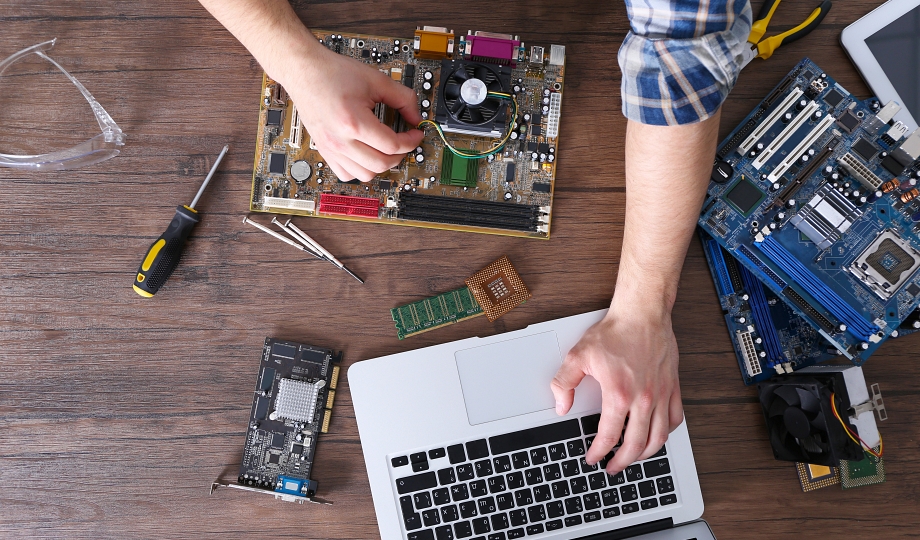
The basis of computer hardware includes understanding computer components such as CPUs, RAM, motherboards, storage devices, and peripherals. Information technology training teaches students how to diagnose problems, replace faulty parts, assemble systems, and perform maintenance to keep computers operating efficiently. Contact ITI Technical College for more information.
The Basis Of Computer Hardware
The basis of computer hardware is taught through classroom instruction and hands-on laboratory training. Students learn essential hardware concepts and practical skills from experienced faculty members, including:
- Internal Components & Architecture: Understanding and identifying the motherboard, CPU, RAM, power supply (PSU), and GPU.
 Assembly and Upgrading: Hands-on training in building computers from scratch, upgrading components, and cable management.
- Storage Devices & Systems: Installing and configuring hard drives, solid-state drives (SSDs), and NVMe drives.
- Peripherals & Input/Output Devices: Connecting and troubleshooting devices like printers, monitors, mice, keyboards, and scanners.
- Troubleshooting & Maintenance: Diagnosing hardware failures using tools like POST cards, cable testers, and software diagnostics.
- Mobile Device Support: Configuring and repairing laptops, tablets, and smartphones.
- Networking Hardware: Identifying and connecting network cards, routers, and switches.
- BIOS/UEFI Configuration: Configuring system settings, boot orders, and security features.
- Cloud Computing & Virtualization: Managing resources on platforms like AWS, Azure, or Google Cloud, and using virtual machines.
Key Information Technology Training Concepts
Students learn the difference between physical components (hardware) and the programs that operate them (software). They understand system functions, how components interact, and the CPU requesting data from the hard drive to load into RAM. Basic training often includes developing skills using routers, modems, network cables, and hardware.
Safely handling electronic components and understanding IT ethical guidelines are essential key concepts. Operating systems include proficiency in Windows, Linux, or macOS for administration.
Familiarity with programming languages, scripting, and coding is essential and includes Python and PowerShell for automation. ITIL/IT Service Management ITSM teaches best practices for managing and delivering IT services to businesses. Methodologies for planning and executing IT projects are part of project management. Documentation and communication require skills in recording technical procedures and communicating with users.
Information technology graduates develop fundamental skills in data privacy awareness, with knowledge and measures to protect user data. They are aware of remote access and security by applying secure management of off-site access. Students know how to use IoT (Internet of Things) through their understanding of interconnected devices that transfer data.
|
“Information Technology (IT) training provides the fundamental knowledge needed to understand, maintain, and repair computer hardware, covering internal components (CPU, RAM, motherboard, storage) and peripherals.” |
Information Technology Training: Outcomes And Careers
 Information technology training, such as an associate degree, provides graduates with entry-level jobs and career opportunities in many different industries. According to the Bureau of Labor Statistics (BLS), overall employment will grow much faster than the average for all other jobs and occupations from 2024 to 2034. Each year, about 317,700 jobs are estimated to open because the industry is growing, employees change occupations, or retire. Here are typical jobs in information technology and computer hardware:
Information Technology & Support Roles
- Computer Support Specialist (User Support): Provides technical assistance, troubleshooting hardware, software, and operating system issues for users.
- IT Technician/Support Specialist: Installs, maintains, and repairs computer hardware and software, often in corporate or retail environments.
- Help Desk Analyst/Technician: Responds to user queries, troubleshoots, and resolves technical problems, often acting as the first point of contact.
- Systems Administrator (Junior/Entry-Level): Maintains, configures, and operates computer systems and servers, ensuring system performance.
Computer Hardware & Networking Roles
- Network Technician/Support Specialist: Analyzes, troubleshoots, and maintains organizational network infrastructure, including routers and switches.
- Computer Repair Technician/Certified Technician: Specializes in repairing, upgrading, and installing hardware components for laptops, desktops, and peripherals.
- Data Center Technician: Manages physical hardware, cabling, and environmental systems in data centers.
- Cable Installer/Field Service Technician: Installs network cabling and physical hardware on-site.
Systems & Programming Roles
- Junior Systems Analyst: Analyzes IT system requirements and assists with implementing solutions to improve business efficiency.
- Junior Programmer/Developer: Assists in writing, testing, and maintaining code for software applications.
These roles generally offer solid starting salaries, with network-focused roles often averaging more, and many positions allow for career advancement into network engineering or management. IT professionals should earn several common industry certifications to reinforce their credentials. They should know how to use Comp TIA A+ for foundational technical support, Comp TIA Network + for networking basics, and Comp TIA Security for fundamental cybersecurity.
Obtain your Information Technology training, including working skills and knowledge of computer hardware and software, in our comprehensive program. ITI Technical College in Baton Rouge prepares graduates for entry-level positions with our Associate of Occupational Studies (AOS) Degree in Information Technology. See what we can do for your career and employment dreams.
Disclosure:
For more information about graduation rates, the median debt of students who completed the program, and other important information, please visit our website:
https://iticollege.edu/disclosures/
https://iticollege.edu/disclosures/