

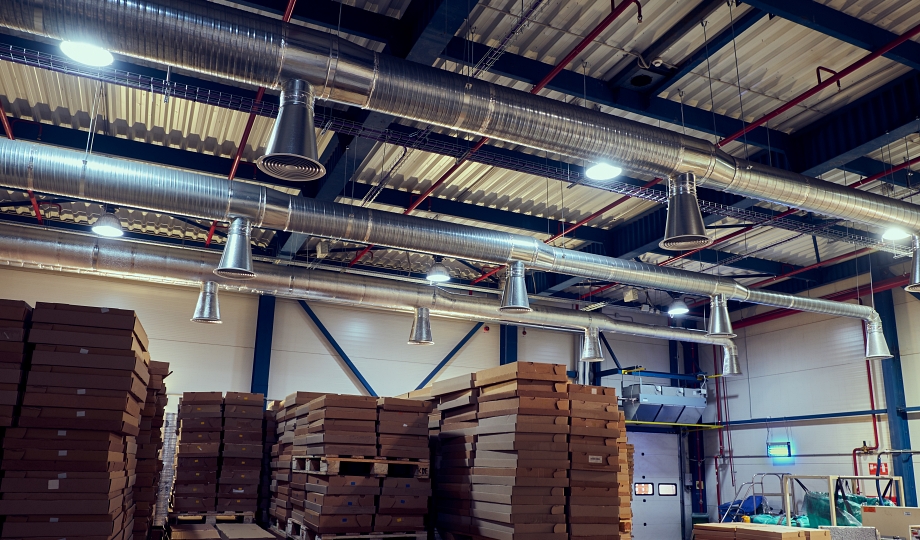
Grocery chains and cold chain logistics rely on HVAC technicians to keep perishable food fresh and safe by maintaining exact temperatures in stores, warehouses, and transport trucks. Some technicians work on refrigerated train cars, barges, ships, and airplanes that carry larger loads of products in bulk. HVAC technicians with an associate degree have greater chances of getting hired in their first jobs. Contact ITI Technical College today for more information.
Businesses That Need Refrigeration Units
Many types of businesses rely on refrigerated units and cold chain logistics to keep products cold, fresh, and safe, prevent spoilage, stop bacterial growth, and comply with safety rules and governmental mandates. They need HVAC technicians to install, maintain, and repair them.
Food and Beverage Businesses
- Meat and Seafood Processors: Require sub-zero freezers and chilled transport to prevent rapid bacterial growth and meet health standards.
- Dairy Producers: Need steady cooling (around 34°F to 38°F or 4°C) for milk, cheese, and yogurt from the farm to the store shelf.
- Produce Distributors: Use temperature-controlled environments to slow ripening and keep fruits and vegetables fresh.
- Grocery Stores and Supermarkets: Rely on walk-in coolers, freezers, and display cases so food remains safe for shoppers.
- Specialty Seafood Restaurants: Source fresh catches via refrigerated freight transport to maintain strict quality standards.
Medical and Pharmaceutical Businesses
- Vaccine and Biologics Manufacturers: Require ultra-cold storage and precise monitoring so active ingredients do not lose their medical power.
- Hospitals and Retail Pharmacies: Store temperature-sensitive drugs, blood samples, and lab diagnostics safely.
- Global Logistics Providers: Companies like CEVA Logistics manage worldwide air and ground transport for sensitive medical shipments using specialized containers and dry ice products.
Other Specialty Industries
- Floral Shops and Growers: Store fresh-cut flowers in cool environments to slow blooming and extend shelf life before sale.
- Chemical and Adhesive Manufacturers: Keep certain reactive chemicals and compounds chilled to prevent dangerous degradation or premature activation.
- Cosmetics Brands: Protect organic or natural beauty products from melting, separating, or losing potency at warm temperatures.
HVAC Technicians And Store-Level Operations
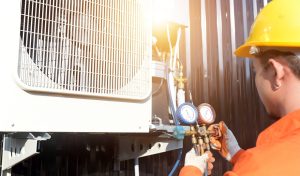 Grocery store chains and cold chain logistics need HVAC technicians to maintain refrigeration units. Some techs specialize in new installations while others repair, maintain, and service display cases, reach-in freezers, and walk-in coolers.
Technicians apply ambient climate control by balancing store temperatures and humidity levels to prevent customer discomfort and frost buildup on equipment. Workers run routine preventative checks and tests on compressors, leak detectors, and thermostats to avoid sudden system failures.
Unlike home units, grocery stores use large compressor racks housed in a rooftop room or “rack house” to feed dozens of remote display cases. Technicians calibrate different suction pressures and electronic expansion valves so individual evaporators maintain precise temperature zones for frozen goods, dairy, and fresh produce. Techs monitor oil separators, reservoirs, and differential valves to ensure compressors stay lubricated under continuous heavy loads.
Technicians also work with environmental and air control processes in grocery stores. They adjust the invisible sheets of air flowing over open display cases to lock cold air in and keep ambient store humidity out. Techs service the building’s main rooftop air handlers to control overall store comfort, customer experience, and humidity. They configure systems to capture waste heat from refrigeration compressors and redirect it to heat the building or warm water.
|
“Grocery chains and cold chain logistics rely on HVAC technicians to keep perishable food fresh and safe by maintaining exact temperatures in stores, warehouses, and transport trucks.” |
HVAC Technicians Work With Grocery Chain Warehouses And Distribution
 Grocery store chains display, store, and sell tons of food and beverage products that need refrigeration and frozen food units. They rely on large warehouses and efficient distribution systems in their operations. The major ways HVAC techs keep them operating are:
- Large-Scale Cooling: Technicians manage massive industrial refrigeration systems in warehouses and distribution centers, such as parallel compressor racks. The centralized rack systems are groups of multiple compressors that feed dozens of remote display cases and freezers.
- Warehouse Distribution: At large cold storage and distribution facilities, they handle industrial-scale equipment, balancing massive airflow requirements, large evaporator coils, and specialized refrigerants.
- Zoned Storage: They set up different temperature zones for produce, dairy, frozen foods, and meats.
- Energy Efficiency: Experts tune systems to cut high electricity costs associated with round-the-clock cooling.
- Heat Reclaim Systems: Technicians configure systems to capture waste heat produced by refrigeration compressors and redirect it to heat the grocery store or warehouse during colder months.
Cold Chain Logistics And Transport
HVAC professionals protect the cold chain on-site with preventative maintenance, defrost cycles, alarms, and emergency response. Technicians run routine leak checks, clean condenser coils, and inspect door gaskets on walk-in boxes to stop minor failures before food spoils. They program and troubleshoot automated defrost schedules and sensor networks tied to store-wide energy management systems (EMS) that alert management to temperature spikes. When a rack or case fails, technicians execute rapid diagnostics and component swaps (such as replacing failed compressors or leaking valves) to preserve perishable inventory.
Technicians service transport refrigeration units (reefers) on semi-trucks and cargo containers. They also calibrate data logging by checking sensors that track real-time temperatures during transit to ensure goods do not spoil on the road.
If you are interested in HVAC technician training in Louisiana, explore what ITI Technical College has to offer. Our Air Conditioning, Refrigeration, & Electrical Technology (AOS) Associate in Occupational Studies Degree will prepare you for an entry-level position in this industry.
Disclosure:
For more information about graduation rates, the median debt of students who completed the program, and other important information, please visit our website: https://iticollege.edu/disclosures/