
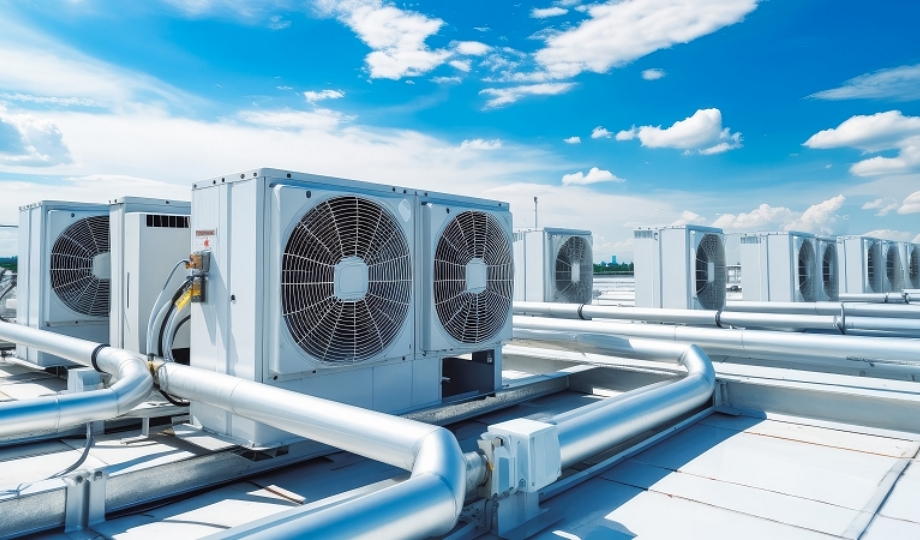
HVAC training expectations for 2026 include learning the latest heating, ventilation, air conditioning, and refrigeration technologies. Modern HVAC systems are more energy-efficient and technology-driven than ever before, requiring technicians to understand smart controls, building automation, indoor air quality solutions, and environmentally responsible equipment in addition to traditional heating and cooling systems.
For students considering a career in the field, HVAC training in 2026 offers opportunities to learn practical skills that prepare them for a wide variety of residential, commercial, and industrial careers. As technology continues to evolve, technicians who possess strong technical knowledge and hands-on experience remain highly valuable to employers. Contact ITI Technical College today for more information.
The HVAC Industry Continues To Grow
Modern homes, businesses, schools, hospitals, and manufacturing facilities all depend on HVAC systems to maintain comfortable and safe indoor environments. As construction continues and existing systems require upgrades, employers continue searching for qualified HVAC technicians.
Many experienced technicians are reaching retirement age, creating additional opportunities for new professionals entering the industry. This demand makes HVAC one of the most stable and essential technical career paths available today.
Smart HVAC Systems Are Becoming Standard
 One of the biggest changes affecting HVAC professionals is the growth of smart technology.
Today’s systems often include:
- Smart thermostats
- Wi-Fi-enabled controls
- Remote system monitoring
- Automated diagnostics
- Mobile app integration
- Building automation systems
HVAC technicians must understand how these technologies communicate and operate alongside traditional mechanical equipment. Training programs increasingly introduce students to digital controls and advanced system management technologies.
Energy Efficiency Is Driving Innovation
Energy efficiency remains one of the primary focuses of the HVAC industry. Homeowners and businesses are seeking ways to lower utility costs while maintaining comfort and system reliability.
Modern HVAC equipment often includes:
- Variable-speed compressors
- High-efficiency heat pumps
- Smart zoning systems
- Advanced ventilation controls
- Energy recovery technologies
Students entering HVAC training programs should expect to learn how these systems operate, how to maintain them, and how to diagnose potential performance issues.
Refrigeration Skills Continue To Be Important
Commercial refrigeration remains a critical part of the HVAC industry. Restaurants, grocery stores, healthcare facilities, food manufacturers, and pharmaceutical companies all depend on refrigeration systems to operate effectively.
HVAC training often includes instruction in:
- Refrigeration cycles
- Compressor operation
- Refrigerant management
- System troubleshooting
- Leak detection
- Preventive maintenance
These skills can create additional career opportunities beyond residential HVAC work.
Indoor Air Quality Is Receiving Greater Attention
Indoor air quality has become increasingly important for both homeowners and businesses. Modern HVAC systems often incorporate technologies designed to improve the quality of the air people breathe every day.
Examples include:
- High-efficiency air filtration
- UV air purification systems
- Humidity control equipment
- Ventilation management systems
- Air quality monitoring devices
Technicians are expected to understand how these systems function and how they contribute to healthier indoor environments.
Technology Is Transforming HVAC Service
The HVAC technician of today uses much more than hand tools. Digital technology now plays a major role in equipment installation, diagnostics, and maintenance.
Technicians frequently work with:
- Digital testing equipment
- Electronic control boards
- System monitoring software
- Mobile diagnostic applications
- Wireless communication systems
As technology continues evolving, HVAC professionals must remain adaptable and willing to learn new methods and equipment.
Commercial And Industrial Opportunities
Many people think HVAC careers are limited to residential service calls. However, numerous opportunities exist within commercial and industrial environments.
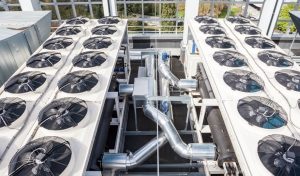 Technicians may work in:
- Office buildings
- Hospitals
- Manufacturing facilities
- Schools and universities
- Distribution centers
- Government buildings
- Industrial plants
These facilities often require larger and more sophisticated HVAC systems, creating opportunities for specialization and career advancement.
What Skills Will Employers Expect?
Employers continue looking for technicians who combine technical ability with professionalism and strong communication skills.
Important skills include:
- Electrical troubleshooting
- Mechanical system knowledge
- Refrigeration principles
- Safety procedures
- Diagnostic techniques
- Problem-solving abilities
- Customer communication
- Preventive maintenance practices
Students who develop these skills during training are often better prepared for entry-level positions and future career growth.
Training For A Modern HVAC Career
Preparing for today’s HVAC industry requires more than understanding basic heating and cooling equipment. Students benefit from learning electrical systems, refrigeration technology, troubleshooting procedures, and modern control systems.
At ITI Technical College, students can prepare for careers through the Air Conditioning, Refrigeration, & Electrical Technology (AOS) Associate in Occupational Studies Degree. The program provides hands-on training designed to help students build practical skills for today’s HVAC industry.
The Future Looks Bright For HVAC Professionals
The HVAC industry continues to evolve through smart technology, energy efficiency advancements, improved refrigeration systems, and growing indoor air quality demands. Businesses and homeowners alike depend on trained professionals to install, maintain, and repair these critical systems.
For students interested in a technical career that combines hands-on work with modern technology, HVAC training can provide a pathway toward long-term opportunities in a growing and essential industry. Contact ITI Technical College today to learn more about the HVAC training expectations for 2026
For more information about graduation rates, the median debt of students who completed the program, and other important information, please visit our website: https://iticollege.edu/disclosures/