


Drafting Careers in 2026 combine creativity and technical skills across industries such as architecture, engineering, electrical systems, and manufacturing. These careers continue to grow as companies rely on professionals who can turn concepts into detailed plans using modern CAD software.
Key Reasons To Choose Drafting Careers in 2026
- Versatile Industry Demand: Drafters are needed everywhere from buildings (architecture, civil) to products (automotive, furniture), and electronics, ensuring job stability and varied work.
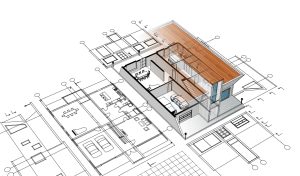 Tech-Forward Field: You’ll work with cutting-edge software (AutoCAD, Revit, SolidWorks) and even emerging tech like VR/AR and AI, keeping your skills relevant and your work engaging.
- Creative & Technical Balance: Drafting satisfies those who enjoy problem-solving and visual expression, bridging the gap between a designer’s concept and a builder’s reality.
- Gateway to Advanced Roles: Mastering drafting is a strong entry into broader A/E/C (Architecture, Engineering, Construction) careers, with opportunities for growth and higher compensation.
- Tangible Results & Job Satisfaction: You get to see your precise plans become real buildings, products, or infrastructure, offering a strong sense of accomplishment.
- Good Earning Potential: Competitive salaries are available, accompanied by opportunities for overtime, freelance work, and higher pay for specialized certifications.
- Future-Proofing: As industries focus on innovation (e.g., sustainable design, smart cities), drafters skilled in new digital tools remain crucial for bringing those visions to life.
Popular Specializations In Drafting Careers
You may choose civil drafting to draw roads, bridges, dams, pipelines, and various infrastructure projects. Electrical and electronic specialists create wiring and circuit diagrams, schematics for devices, personal and commercial products. Interior and landscape design are other growing fields for designing home and building interiors, and outdoor property areas.
|
“Choosing drafting in 2026 offers a blend of creativity and technical skill with diverse industry applications and stability.” |
CAD Professionals Are In High Demand In 2026
Computer-Aided Drafting (CAD) is essential in today’s technology-driven industries. Drafters translate ideas into technical drawings, which eventually become products. Here is why drafting is a strategic career move in 2026:
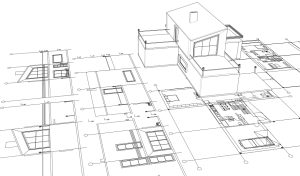 Construction and Manufacturing Are Expanding: Skilled CAD specialists are always in demand in the construction and manufacturing industries. Growth in these industries demands infrastructure, product improvements, and development. According to the Bureau of Labor Statistics (BLS), there are 191,100 people currently working in drafting jobs.
- New Technology Drives Demand: New versions of CAD, Building Information Modeling (BIM), and related software are redirecting many industries. CAD operators use 3D modeling and virtual design as standard tools. Professional drafters who can use these technologies are in high demand, making CAD training essential for career entry and development.
- Drafting Is Versatile Across Many Industries: Drafting is not limited to construction and manufacturing; it is essential in dozens of other industries from designing buildings to consumer products. Skilled CAD drafters use its versatility to position themselves in long-term career stability.
- Innovative Career Opportunities: As industries and technologies evolve, professional CAD users will continue to shape the future. They will have limitless innovation possibilities and remain pivotal as they update their skills and knowledge.
If you want a career in drafting and design using CAD software, you will learn to blend creativity with technical expertise. Earning an associate degree is the gateway to finding your first job and a stable future.
What You Learn In Drafting And Design Technology School
“The objective of this program is to prepare graduates for entry-level employment as Draftspersons, CAD Draftspersons, Engineering Technicians, or Estimators. They will be employable in a wide range of drafting and design career settings with specialized skills in two or more disciplines”.
“Graduates will be skilled in producing new drawings by interpreting data from field measurements, notes, and existing drawings. They will be familiar with engineering terminology and basic concepts of their chosen specializations. The graduate will be familiar with using AutoCAD™ software and Windows Operating Systems to produce drawings”. (Source: ITI Technical College – Baton Rouge, LA)
Disclosure: For more information about graduation rates, the median debt of students who completed the program, and other important information, please visit our website: https://iticollege.edu/disclosures/