

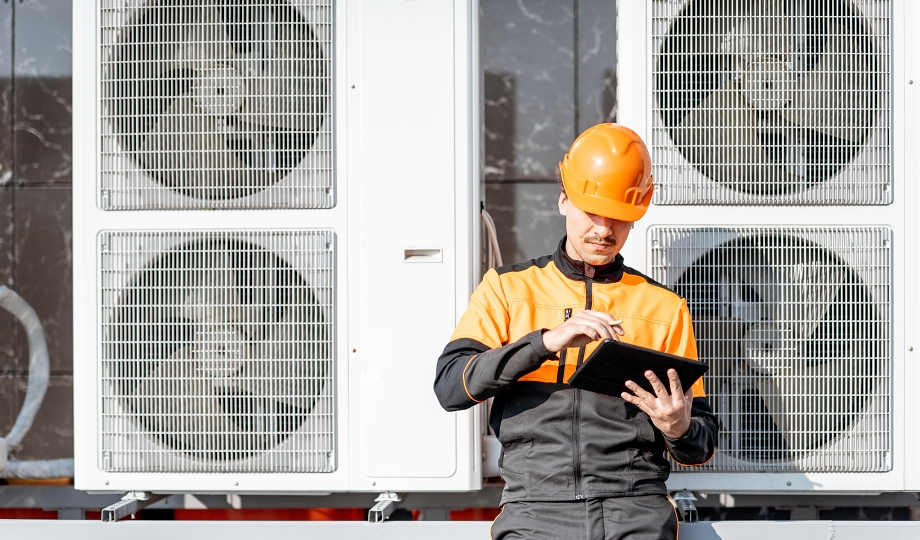
HVAC Technicians in Louisiana’s summers face demanding conditions as they work through intense heat and high humidity to keep cooling systems operating efficiently. Their responsibilities often include responding to emergency breakdowns, repairing compressors, clearing clogged condensate lines, troubleshooting equipment failures, and working in extremely hot attics and crawl spaces. Technicians may also encounter insects, spiders, and small animals while servicing systems beneath homes and commercial buildings. Contact ITI Technical College for more information.
Relentless Heat, Humidity, And Condensation
Let’s begin with the heat, humidity, and condensation in drain lines. The summer months in Louisiana are hard on both HVAC technicians and HVAC systems. Long and tiring days cause workers to perspire a lot, feel uncomfortable, rest frequently, and stay hydrated.
 Louisiana’s famous humidity makes life miserable for air conditioners, putting systems under immense strain. Technicians spend much of their time dealing with:
- Condensate Line Clogs: Algae and mold thrive in the damp, dark environments of AC drain lines. Technicians frequently have to clear backed-up drain lines when equipment fails to come on or operate correctly.
- Water Damage Mitigation: When a line clogs, water overflows into ceilings, walls, or basement floors, depending on where the air handler is located. This issue causes techs to troubleshoot the issue and clear the blockage to prevent further home damage.
- Coil Freezing: Because the system is trying to wring so much moisture from the air, overworked systems often freeze up, requiring technicians to thaw units, check refrigerant pressures, and clean coils.
HVAC Technicians In Louisiana’s Summers
The high-heat, high-moisture climate of the Pelican State creates a unique set of grueling, day-to-day challenges for technicians to keep home HVAC equipment running. Many homes have air handlers and ductwork in their attics where summer temperatures can go above 130 degrees. Working in a poorly insulated area like an attic creates a sauna experience.
Heat exhaustion, heavy sweating, and the necessity of constant hydration are daily realities. Some home and business situations are so severe that only the healthiest technicians can work in them.
|
“During a Louisiana summer, HVAC technicians battle a combination of extreme, sometimes triple-digit heat indexes and relentless subtropical humidity.” |
Electrical Component Burnouts
The sheer demand of running an AC unit continuously pushes system capacitors, contactors, and motors to their breaking points, especially in old equipment and systems. Overworking them creates strain, high amperage, and excessive heat that cause specific electrical parts to fail. Here’s what typically happens:
- When these parts overheat, the system trips and stops working.
- These system components may burn out or break, and the system stops working.
- Technicians spend a significant portion of their days testing, diagnosing, and replacing these fried electrical components.
- Capacitors: These act as temporary batteries to give motors the jolt needed to start and run. Constant starting and stopping on sweltering days exposes them to high heat and electrical stress, making them the most frequently replaced electrical part.
- Contactors: These are the heavy-duty electrical switches that control power to major components, such as the compressor and condenser fan motor. High current loads and electrical arcing cause the metal contact points to pit, burn, and fuse over time.
- Compressor Windings: The compressor is the core pump of the system. Extended periods of overheating (often caused by low voltage or overworked motors) break down the protective varnish and insulation around the copper windings inside the motor, leading to a catastrophic short circuit or “burnout”.
- Fan & Blower Motors: Continuous operation degrades the bearings, while dust buildup restricts cooling. When overworked or struggling against a failing capacitor, motors draw excess amperage, which overheats the internal electrical windings and causes motor failure.
- Relays & Circuit Boards: Modern HVAC systems rely on sensitive, computerized control boards and relays. Continuous use, power surges, or electrical noise (dirty power) can fry microprocessors and burn out relay contacts.
Emergency No-Cool Calls
Summer is the peak season for emergency breakdowns. Technicians juggle heavily packed schedules of back-to-back emergency calls. Because a broken AC is an urgent health and safety issue for vulnerable populations, such as the elderly and sick, these technicians often work grueling, extended, and stressful shifts.
Preventive Maintenance In The Heat
When they are not responding to emergencies, technicians perform seasonal maintenance and tune-ups for residential and commercial clients. This preventative work includes:
- Cleaning outside condenser coils.
- Checking and charging refrigerant levels.
- Inspecting electrical wiring to prevent future failures.
- Testing temperatures in different rooms
- Testing thermostats
- Recommending updating equipment
- Selling annual maintenance contracts
HVAC Technicians Training In Louisiana
Employers are excited about hiring new HVAC technicians who hold an Air Conditioning, Refrigeration, & Electrical Technology (AOS) Associate in Occupational Studies Degree. Earn yours at ITI Technical College, and prepare for an entry-level position in an area that needs more qualified technicians. Contact us for more information.
Disclosure:
For more information about graduation rates, the median debt of students who completed the program, and other important information, please visit our website: https://iticollege.edu/disclosures/