

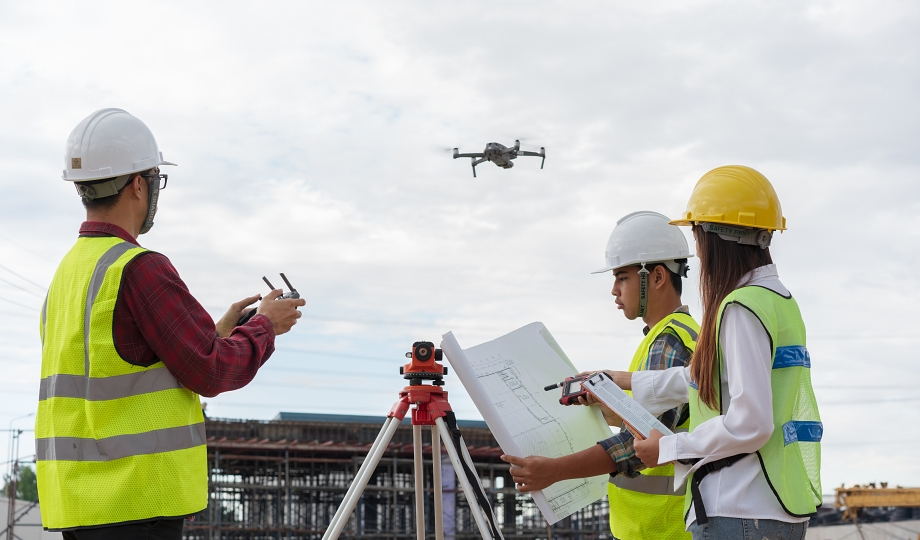
A Construction Manager as a manager combines leadership, problem-solving, planning, paperwork, and hands-on involvement at busy construction sites. The job can be demanding, but it also offers a rewarding sense of accomplishment. Watching an empty lot transform into a home or commercial building—and knowing you helped manage the process from start to finish—can make the hard work worthwhile.
You also develop valuable experience because every project teaches you something new. In short, construction management is less about swinging a hammer and more about keeping hundreds of moving pieces and people working toward the same goal. An effective way to enter this industry is by earning an associate degree. Contact ITI Technical College today for more information.
What A Typical Day Is Like For Construction Managers
 You usually arrive early in the morning before most crews. You’ll review the day’s schedule, check weather and site conditions, coordinate subcontractors, and make sure everyone knows what needs to happen. A large part of the job is keeping the project moving. During the day, managers do this:
- Coordinate electricians, plumbers, framers, concrete crews, HVAC installers, etc.
- Make sure work matches the plans, specifications, and expectations.
- Inspect progress and quality of every stage of construction projects.
- Deal with unexpected problems, such as missing materials, equipment breakdowns, design changes, labor shortages, or delays.
- Inspect and enforce all safety procedures and OSHA requirements.
- Talk with architects, engineers, owners, inspectors, subcontractors, and others.
- Track labor, materials, schedules, costs, building codes, and inspections.
A lot of the job is communication. You aren’t necessarily doing the physical construction yourself, but you’re constantly making decisions that affect the people who are.
What’s Difficult About It?
The biggest challenge is responsibility under pressure. If a concrete pour gets delayed, a material shipment doesn’t arrive, or a subcontractor falls behind, people look to the manager to figure out what happens next.
You may have several problems happening simultaneously. The electrician needs an answer, the inspector is waiting, the concrete truck is arriving in 20 minutes, and the owner just called asking why we’re behind schedule. You must stay calm and prioritize all through the day.
The biggest surprise for new managers is often that construction management isn’t just “managing construction.” A lot of the job involves communication and coordination.
You may spend one hour walking a jobsite and the next hour dealing with an email, discrepancy, delayed shipment, budget issue, or subcontractor dispute. You switch between:
People → Plans → Schedule → Budget → Safety → Quality → Problems → Paperwork
|
“The rewarding part is there’s a unique satisfaction in watching an empty site gradually become a house or building and knowing you helped coordinate the process.” |
Construction Managers Can Have Physically Demanding Jobs
The job can be physically demanding but usually moderately, not extremely tiring. You’re typically on your feet a lot, walking around the site, which is sometimes several miles over a large project. Climbing stairs and ladders and navigating uneven terrain is physical, and so is standing for long periods.
Dealing with heat, cold, dust, noise, or rain can be demanding. Wearing personal protective equipment, such as a hard hat, heavy safety boots, and other items, can be annoying. Managers sometimes inspect a lot of materials and equipment to make sure they are functioning right. It’s generally less physically demanding than being a laborer or tradesperson, but construction management can still be tiring because of the hours and constant movement.
The bigger demands are often mental and organizational, such as coordinating crews and subcontractors, solving problems, managing schedules/budgets, handling inspections, and communicating with many people.
The Skills That Matter Most
A construction manager needs the knowledge base and skill sets to professionally complete projects on and off the work site. You don’t need to know how to personally perform every trade, but you need enough knowledge to understand how the pieces fit together and recognize when something isn’t right. Managers must possess well-developed skills that can be developed in construction management school and college, such as:
- Ability to make good decisions quickly
 Budget Awareness
- Communication
- Construction Knowledge
- Leadership
- Organization
- Negotiation
- Problem-Solving
- Safety Awareness
- Scheduling
- Ordering Materials
Skills are crucial for construction managers, but they must also have a working knowledge of construction methods and materials, including:
- Foundations, concrete, steel, wood framing, roofing, and finishes
- Structural and architectural drawings and blueprints
- Construction sequencing, means, methods, ordering equipment
- Building systems: electrical, plumbing, HVAC, fire protection
- Material properties, lead times, and appropriate applications
- Quality control and inspection requirements
- Common construction defects and how to prevent them
Construction Management Training Is Close At Hand
ITI Technical College prepares students with the practical skills needed for entry-level careers as a construction manager as a manager. For students in the Greater Baton Rouge, Louisiana area, industry-focused training is conveniently within reach, providing a strong foundation for a career in construction management. Our Construction Management (AOS) Associate in Occupational Studies Degree may be what you are looking for. Study our application process and request more information soon.
Disclosure:
For more information about graduation rates, the median debt of students who completed the program, and other important information, please visit our website: https://iticollege.edu/disclosures/